Song Meaning
The lyrics paint a picture of profound sensory and perceptual alienation. The narrator feels disconnected from the "people all in line," convinced their thoughts are fundamentally different. This sets up an internal world where ordinary reality is perceived through an extraordinary, almost psychedelic lens, marked by synesthesia and heightened awareness. The repeated refrain, "I can hear the grass grow," becomes a mantra for this unique, internal experience that sets the narrator apart.
The central tension arises from this perceived difference and the narrator's attempt to bridge it, or at least define it. The "magnetic wave of sound" and "streams of coloured circles" suggest an overwhelming, perhaps disorienting, influx of sensory data. The narrator then tries to impose a kind of order or understanding on this experience, particularly in the lines directed at "baby," urging them to "listen to your mind" and find a shared language or understanding. This implies a desire for connection, but on the narrator's own terms of heightened perception.
The most striking craft element is the juxtaposition of the mundane and the extraordinary. The simple, almost childlike observation of hearing grass grow is elevated to a profound statement of being. This is amplified by the visual of "rainbows in the evening," a phenomenon that defies typical expectations. The lyrics suggest a mind that processes the world in a way that is both intensely personal and potentially isolating, where internal sensory experiences are more real than external social cues.
Ultimately, the effectiveness of these lyrics lies in their ability to evoke a feeling of intense, subjective reality. The repetition of the core phrases creates a hypnotic effect, drawing the listener into the narrator's unique headspace. The lyrics don't explain the narrator's state but rather immerse the listener in its sensory details, making the feeling of being different, of perceiving more, palpable and strangely compelling.
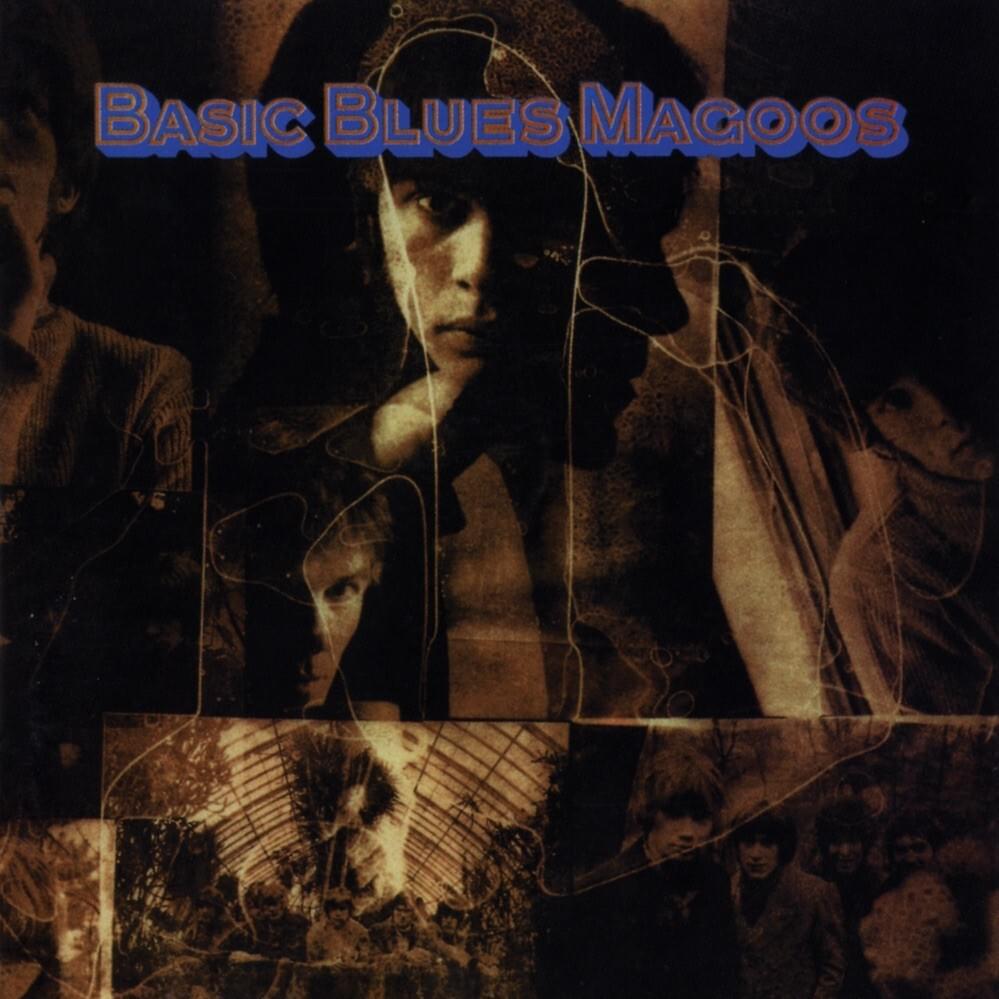
 View Artist