Song Meaning
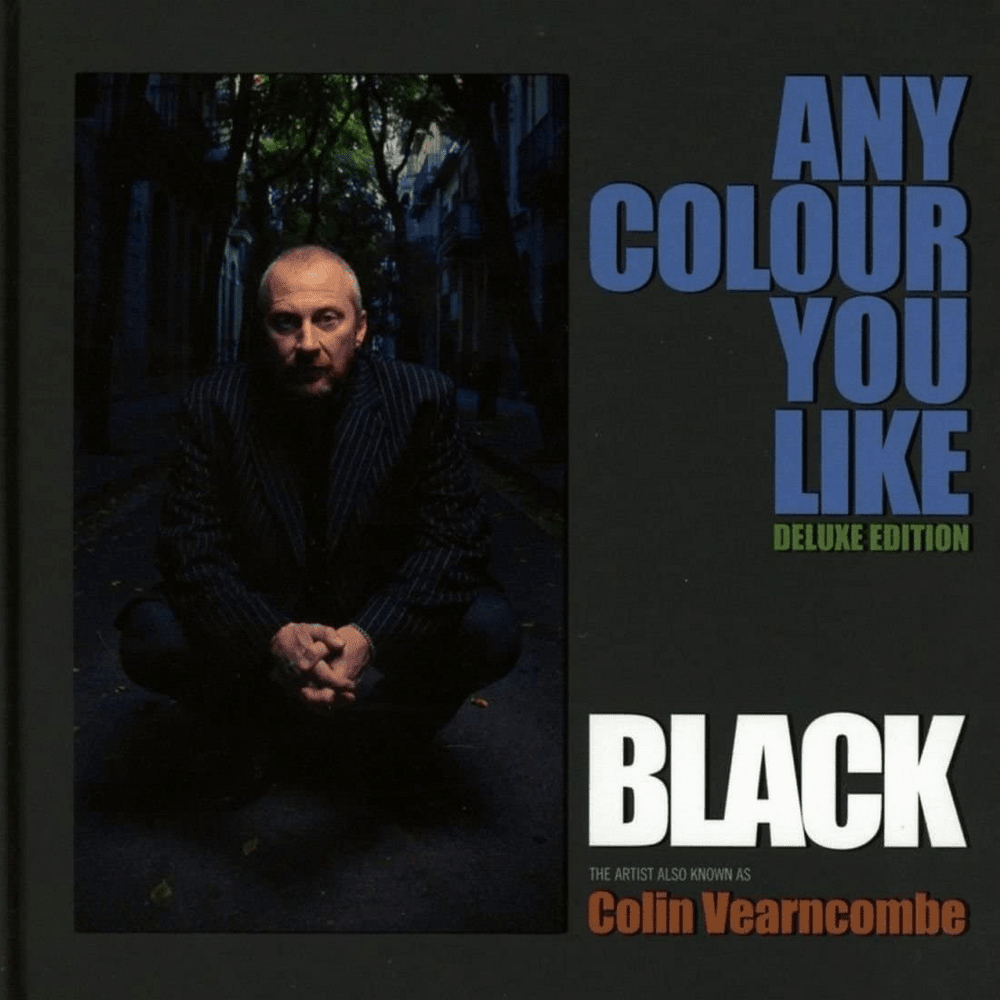
Black's "What Makes a Fool" isn't just a lament; it's a post-mortem on a relationship, dissected with a surgeon's precision and a lover's raw nerve endings. The song meaning hinges on the push and pull between self-preservation and the magnetic pull of destructive love. The opening lines, "If I had more than this to give / I'd probably do what you're wanting me to," immediately establish a landscape of emotional exhaustion. The singer acknowledges the siren call of reconciliation, knowing full well it would tear him apart again. He's not special, not immune—he's simply another casualty of love's irrationality. The "rule that makes a fool" is the universal susceptibility to sacrificing one's well-being for the sake of a connection, however damaging.
The second verse deepens the sense of fatalism. The hypothetical "more than one life to live" underscores the finite nature of emotional resources. The singer recognizes a painful truth: the idealized version of himself, the one that existed before the relationship's full exposure, was more appealing. "You liked me better when you knew me less" is a brutal acknowledgment of the disillusionment that often accompanies intimacy. The lines about luck at the tables versus love further paint the picture of someone fundamentally unlucky in matters of the heart, as if some cosmic force dictates his romantic failures. Dying young taking all the best is a dark, perhaps self-pitying, suggestion that maybe a premature end would have preserved a better version of himself in the eyes of his lover.
Ultimately, "What Makes a Fool" circles back to the agonizing choice between succumbing to a destructive love and choosing self-preservation. The lines "I love you so much I'd be your clothes / Where my heart wanders the action follows" are almost unbearably vulnerable, conveying a level of devotion that borders on self-annihilation. However, the final verses reveal a glimmer of agency. He recognizes that continuing the relationship is a form of slow suicide, and he's determined to choose a different path, even if it's a lonely one. The concluding question, "What makes a fool?" isn't a plea for an answer, but a resigned acknowledgement of the inherent foolishness of love itself, and the hard-won wisdom of choosing survival over romantic martyrdom. The song is a stark reminder that sometimes, the most loving thing you can do is walk away, even when every fiber of your being screams to stay.
 View Artist