Song Meaning
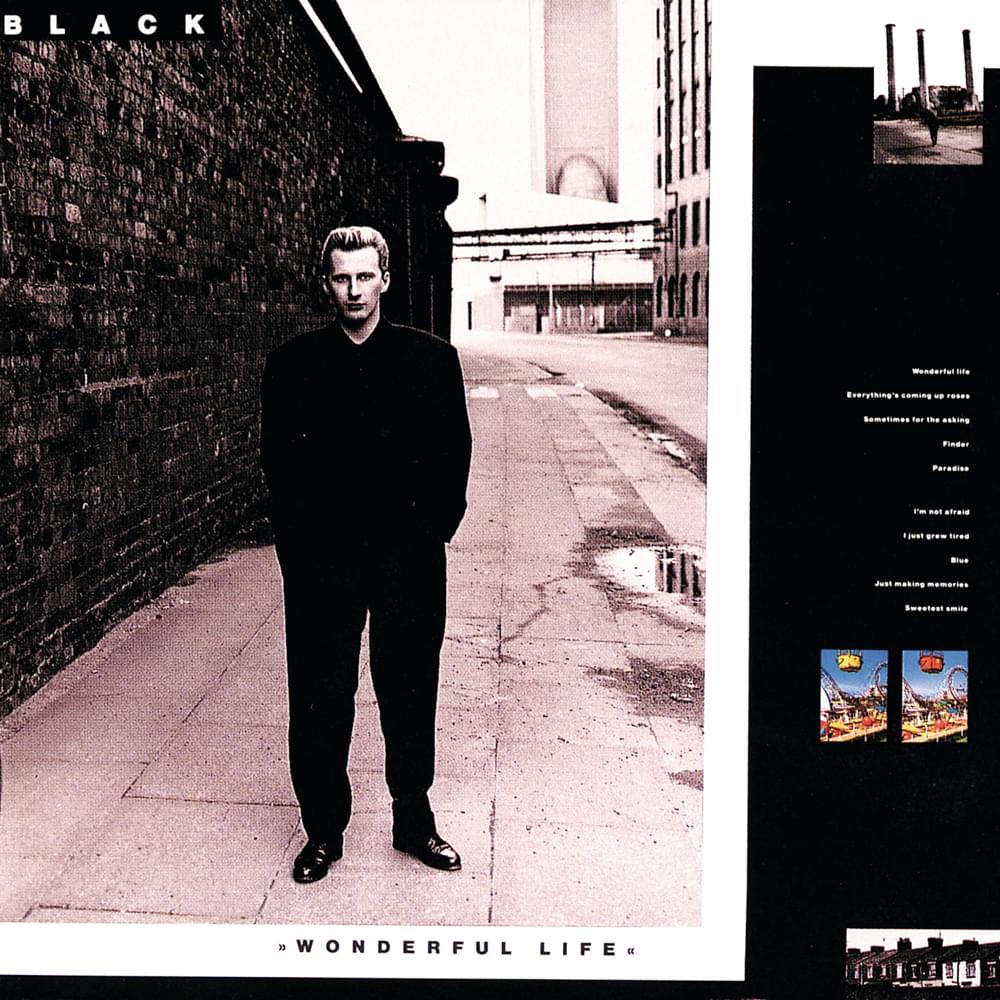
Black's "Everything's Coming Up Roses" isn't the exuberant show tune it might initially evoke. Instead, this song meaning drills into the insidious comfort found within self-deception. The opening lines, “You don't believe me, I can tell it by your eyes,” immediately establishes a dynamic of distrust, yet the speaker seems oddly at peace with it. There's a knowing acceptance that their reality is built on falsehoods, and perhaps even a perverse enjoyment derived from the 'magic' and 'freedom' found in those lies. The repetition of 'Everything's coming up roses' acts as a mantra, a desperate attempt to manifest a positive outcome while simultaneously acknowledging the shaky ground it's built upon. It's a fascinating paradox: embracing delusion as a coping mechanism.
The lyrics hint at a past naivete, a time when the speaker genuinely believed that 'today is like tomorrow,' a linear progression toward a better future. Now, however, there’s a biting recognition that selling out for the 'truth' might have been a better strategy. The repeated line, 'I should have known,' is not a lament for lost love or opportunity, but rather a pointed self-reproach for choosing blissful ignorance over harsh reality. The speaker has chosen the path of least resistance, opting for a reality where everything *appears* to be improving, even if that appearance is entirely manufactured.
The genius of Black's song lies in its ambiguity. Is this a cynical commentary on societal delusion, or a personal confession of self-preservation? Perhaps it’s both. The 'roses' become a symbol of manufactured happiness, a facade carefully constructed to mask underlying anxieties. The unsettling repetition of the phrase, divorced from its original context, transforms it into something almost sinister. It’s not a celebration of success, but rather a hollow echo in an empty room, a testament to the seductive power of lies and the human capacity for self-deception. The song's genius lies in its ability to make us question the very nature of our own 'roses' and the foundations upon which they bloom.
 View Artist