Song Meaning
The lyrics paint a picture of a relationship where one person inflicts pain while the other passively accepts it, framing these destructive actions as a twisted form of love. The narrator observes a dynamic where their partner initiates conflict and reaps the benefits, stating, "You start the fire / And the world then turns for you." This acceptance is presented not as weakness, but as a deliberate choice, a "poverty of time" where the narrator has already processed the loss. The repeated questions, "Isn't it right? / Isn't it a crime? / Isn't it cruel to be so kind?" highlight the profound confusion and moral ambiguity of the situation.
The central tension lies in the paradox of love manifesting as cruelty and the narrator's resignation to this painful reality. They acknowledge that "some temptations promise you paradise," suggesting the allure of the relationship despite its destructive nature. The narrator's stance is one of weary detachment, "I'm not here to reason or deny" and "I'm not here to listen or confide," indicating a point of emotional exhaustion where further engagement is futile. This passive endurance is contrasted with the partner's active manipulation, as seen in "You twist the knife / And I'll take the bullet."
The most striking craft element is the recurring motif of light and dark, particularly the line, "Sometimes you need the dark to see the light." This suggests that clarity and understanding only emerge from experiencing profound difficulty or pain. The lyrics also employ a sense of cyclical futility, with phrases like "meaningless fight" and the lament, "Didn't it used to be so fine?" The narrator's actions, like playing "the fool" and accepting the "greatest price," are framed as necessary steps within this painful cycle.
Ultimately, the effectiveness of these lyrics stems from their unflinching portrayal of a toxic dynamic accepted as inevitable. The narrator's quiet, almost detached observation of their own suffering, coupled with the paradoxical framing of cruelty as love, creates a potent emotional resonance. The writing doesn't offer easy answers but instead captures the disorienting feeling of being trapped in a relationship where harm is disguised as affection, leaving the listener with a sense of profound unease and empathy for the narrator's plight.
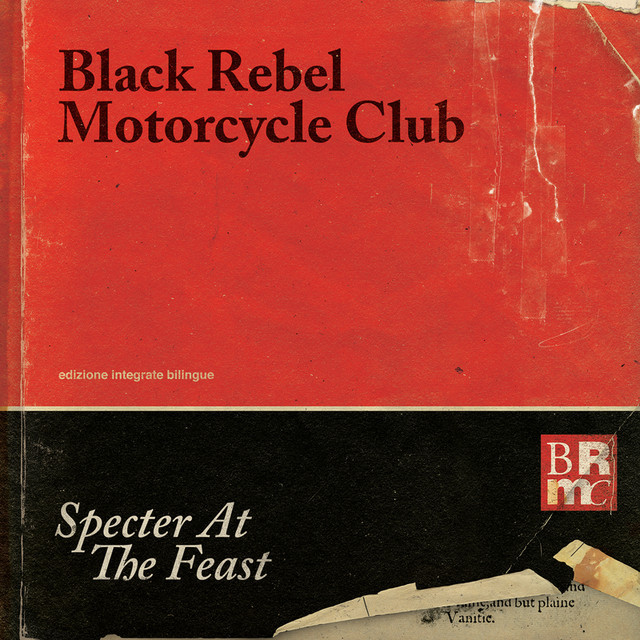
 View Artist