Song Meaning
The lyrics paint a picture of a relationship dissolving, marked by a desperate attempt to sever ties that feels both inevitable and agonizing. The opening lines, "Take yourself apart from me / Down into a flame," immediately establish a destructive, almost ritualistic separation. Yet, the narrator also acknowledges the profound value of the other person, calling them "everything one could keep," a sentiment immediately undercut by the idea that this person is "worn with every face," suggesting a loss of distinct identity or perhaps a history of being used.
The central tension arises from the narrator's struggle against a pervasive sense of futility and loss. Phrases like "I just keep playing that restless haunt / Nothing I can change" and "I just keep playing that empty hand / Nothing I can cheat" reveal a cyclical pattern of futile actions and an inability to alter the course of events. This feeling of being trapped is amplified by the imagery of trying "not to melt away" and "not to wither away," suggesting a slow, painful disintegration in the face of an overwhelming external force or internal despair.
The craft here is in the stark, often violent imagery used to convey emotional states. The act of "swallow[ing] what's still brave in you / Like metal in your jaw" is a visceral depiction of forced suppression or self-destruction. Later, the narrator speaks of having "buried every living thing / Deeper than the ground," a powerful metaphor for suppressing life, hope, or perhaps past experiences to cope with the present bleakness. The repeated questions in the latter half – "Can you touch? / Can you stay? / Would you weep?" – shift the focus outward, questioning the other person's capacity for connection or memory, further emphasizing the narrator's isolation.
Ultimately, these lyrics resonate because they articulate a profound sense of helplessness and the quiet horror of watching something precious decay or disappear without recourse. The narrator's attempt to "unlove this world" while acknowledging "it has no other place" captures a deep, melancholic resignation. The persistent "haunt" isn't just about memory; it's about the inescapable residue of what was, a feeling that lingers despite all efforts to erase it.
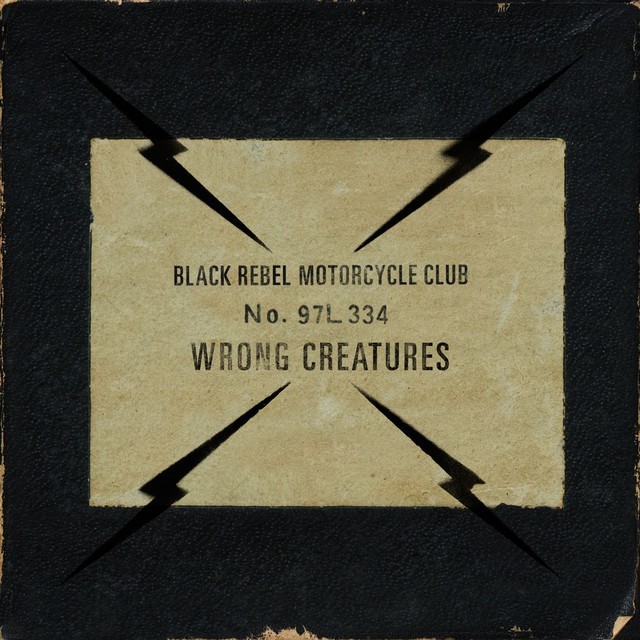
 View Artist