Song Meaning
B.J. Thomas's "All That's Left" is a masterclass in wounded pride disguised as stoicism. The song's core isn't just heartbreak; it's the performance of not being heartbroken, a high-wire act of emotional repression teetering on the edge of collapse. The narrator, facing the impending wedding of a lost love, vows "there'll be no teardrops tonight," a mantra repeated with increasing desperation throughout the song. This isn't acceptance; it's a form of denial weaponized against the perceived cruelty of the beloved. The lyrics reveal a complex cocktail of emotions churning beneath the surface. There's a hint of victim-blaming ("Are you doing this for spite?"), a flicker of delusional hope ("I believe that you still love me"), and a heavy dose of self-pity masked as righteous indignation ("You don't care whose life you're ruining").
The psychology at play here is fascinating. The narrator's insistence on emotional control is a defense mechanism against the overwhelming pain of rejection. By refusing to show vulnerability, he attempts to maintain a semblance of power in a situation where he is utterly powerless. The "veil of white" becomes a symbol of both her perceived purity and his own sense of betrayal. The repetition of "there'll be no teardrops tonight" takes on a hypnotic quality, almost as if the narrator is trying to convince himself more than anyone else. It's a performance of strength designed to mask profound weakness.
Ultimately, "All That's Left" is a poignant exploration of the human tendency to construct elaborate facades to protect ourselves from emotional devastation. The song's power lies in the tension between the narrator's carefully constructed image of composure and the raw, palpable pain that threatens to shatter it at any moment. It's a reminder that sometimes, the most devastating emotions are the ones we refuse to acknowledge.
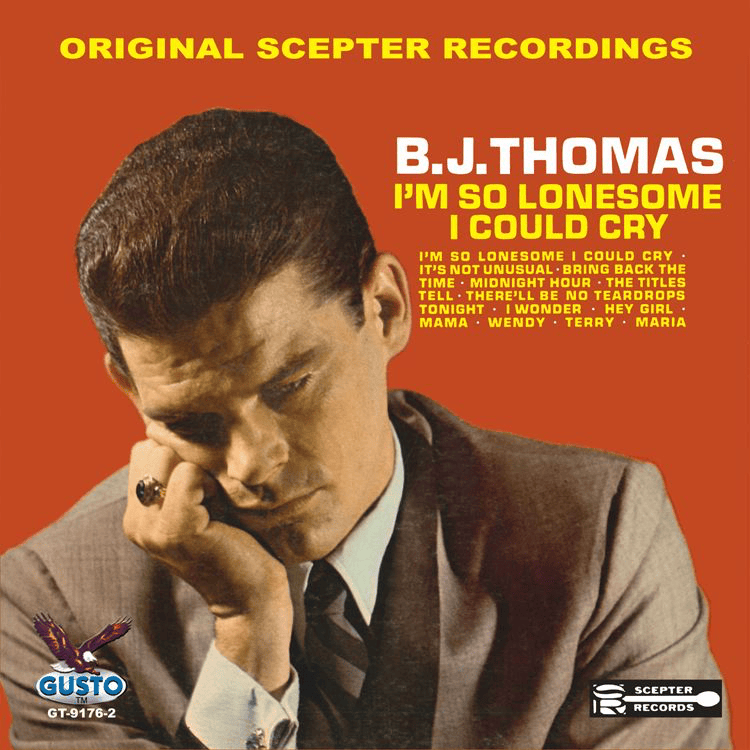
 View Artist