Song Meaning
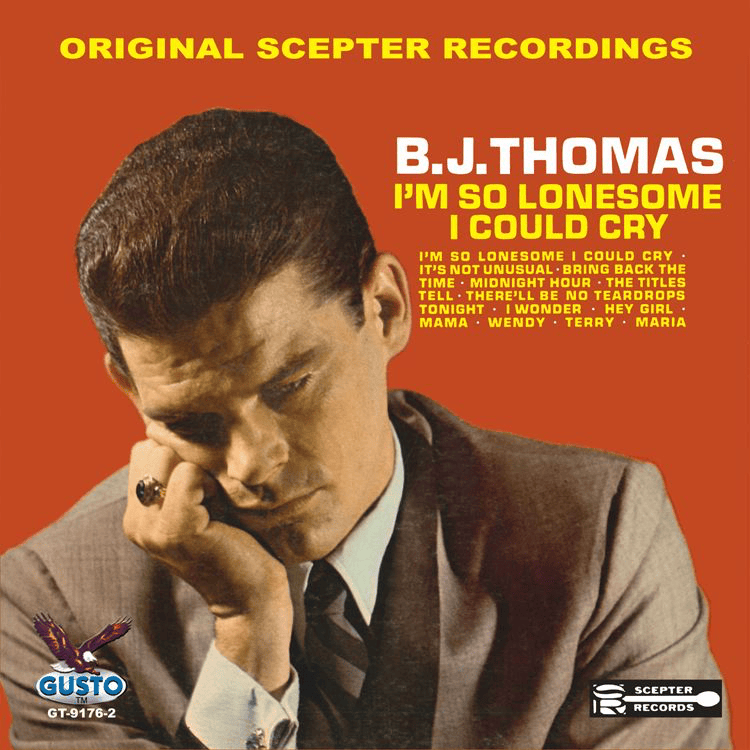
{"song_id": 11683915, "meaning": "B.J. Thomas’s \"ZONE,\" while seemingly straightforward, reveals a deeper exploration of idealized love and dependency. The repetition of \"Maria\" isn't just a simple declaration; it's a mantra, a centering device for a narrator whose world seems to revolve entirely around this woman. The lyrics paint Maria as the ultimate caregiver, the one who \"made my heart surrender\" and \"made my life worth living.\" This hints at a pre-existing void in the narrator's life, one that Maria has seemingly filled completely. The phrase \"nothing in my life above you\" is, on the surface, romantic, but it also suggests an unhealthy imbalance, a potential lack of self outside of the relationship. This intense focus borders on objectification; Maria is defined primarily by her function – to love, forgive, and understand the narrator.
The bridge, where the narrator admits to feeling \"blue,\" offers a glimpse into his vulnerability. Maria's role extends beyond romantic partner; she's a therapist, a confidante, a source of constant reassurance. The line \"she makes me feel like a brand new man\" is particularly telling. It suggests that the narrator's sense of self is contingent on Maria's approval and support. This dependence could stem from deep-seated insecurities or a fear of abandonment, leading him to project an idealized image onto Maria. The simplicity of the lyrics belies a complex emotional landscape, one where love is intertwined with need and the potential for codependency lurks beneath the surface.
Ultimately, \"ZONE\" is more than just a love song; it's a portrait of a relationship built on a foundation of profound need. While the narrator expresses gratitude and affection, the song raises questions about the health and sustainability of such a dynamic. Is Maria truly seen and appreciated for who she is, or is she primarily valued for the role she plays in the narrator's life? The constant repetition of \"Maria, Maria, you're for me\" transforms from a declaration of love into something closer to a possessive claim, leaving the listener to wonder about the true nature of their connection."}
 View Artist