Song Meaning
The lyrics paint a stark picture of a solitary individual receiving a phone call that brings a fleeting moment of connection, quickly followed by crushing disappointment. The initial "hello hello" and "darling oh darling" suggest a hopeful anticipation, a desperate reach for familiarity. However, this hope shatters when the narrator realizes "you're not coming." The contrast between the initial warmth and the subsequent realization creates a palpable sense of dashed expectations.
The central tension lies in the narrator's struggle to process this rejection. They offer a hollow "thank you I'll try" to be happy, a response that feels more like a forced pleasantry than genuine acceptance. This is immediately followed by the abrupt "thank you for calling goodbye," a phrase that now carries a heavy weight of finality and resignation. The repetition of this phrase underscores the narrator's attempt to maintain a semblance of politeness even in the face of profound hurt.
The most striking element is the interaction with the "operator" after the call ends. The narrator's insistence, "Yes yes I know my party is gone," reveals the depth of their delusion or their desperate need to articulate the loss. The final declaration, "But I'll always love her I guess till I die," is a heartbreaking testament to enduring affection despite the clear evidence of abandonment. The repeated "thank you for calling goodbye" transforms from a polite closing to a bitter echo of a connection that never truly materialized.
These lyrics are effective because they capture the raw, isolating experience of unreciprocated hope and the quiet dignity found in enduring love, even when it's unreturned. The simple, almost childlike language belies a profound emotional landscape of longing and loss. The abrupt shifts in tone and the stark imagery of the disconnected phone line resonate with anyone who has experienced the sting of rejection and the lingering ache of love.
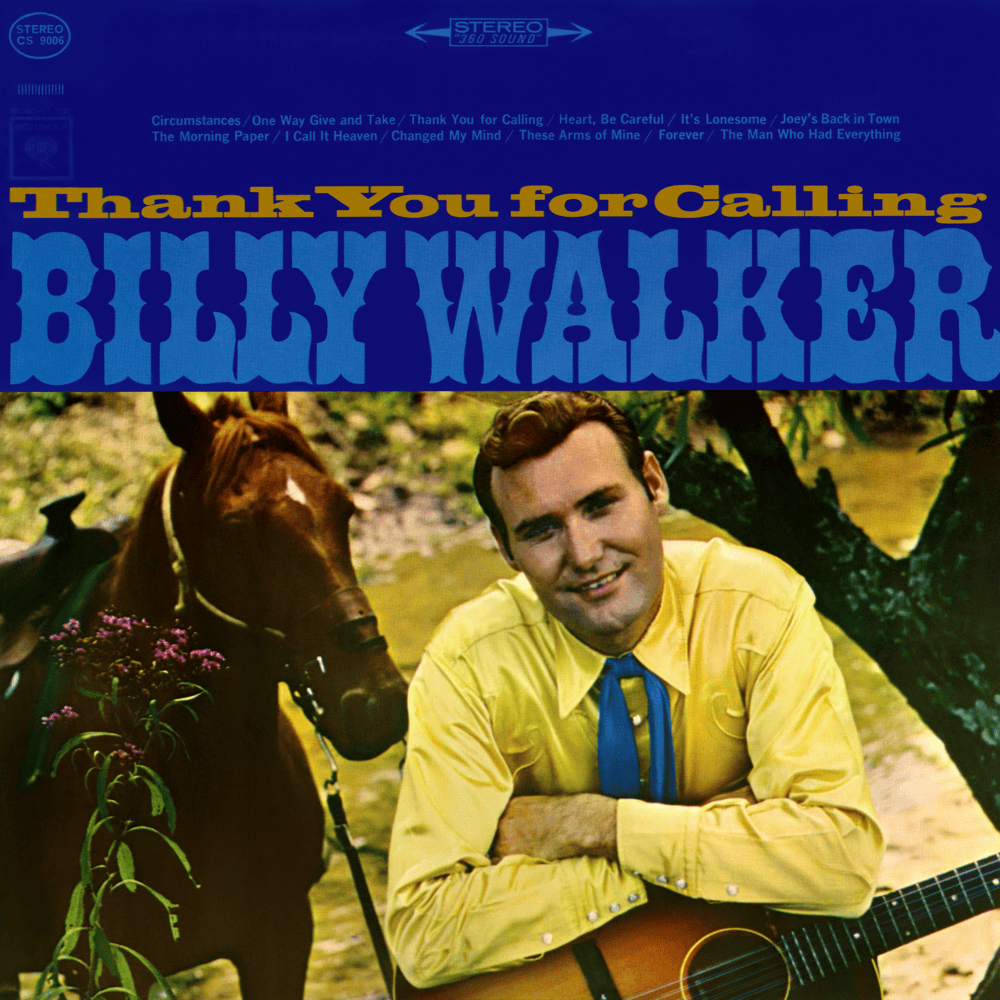
 View Artist