Song Meaning
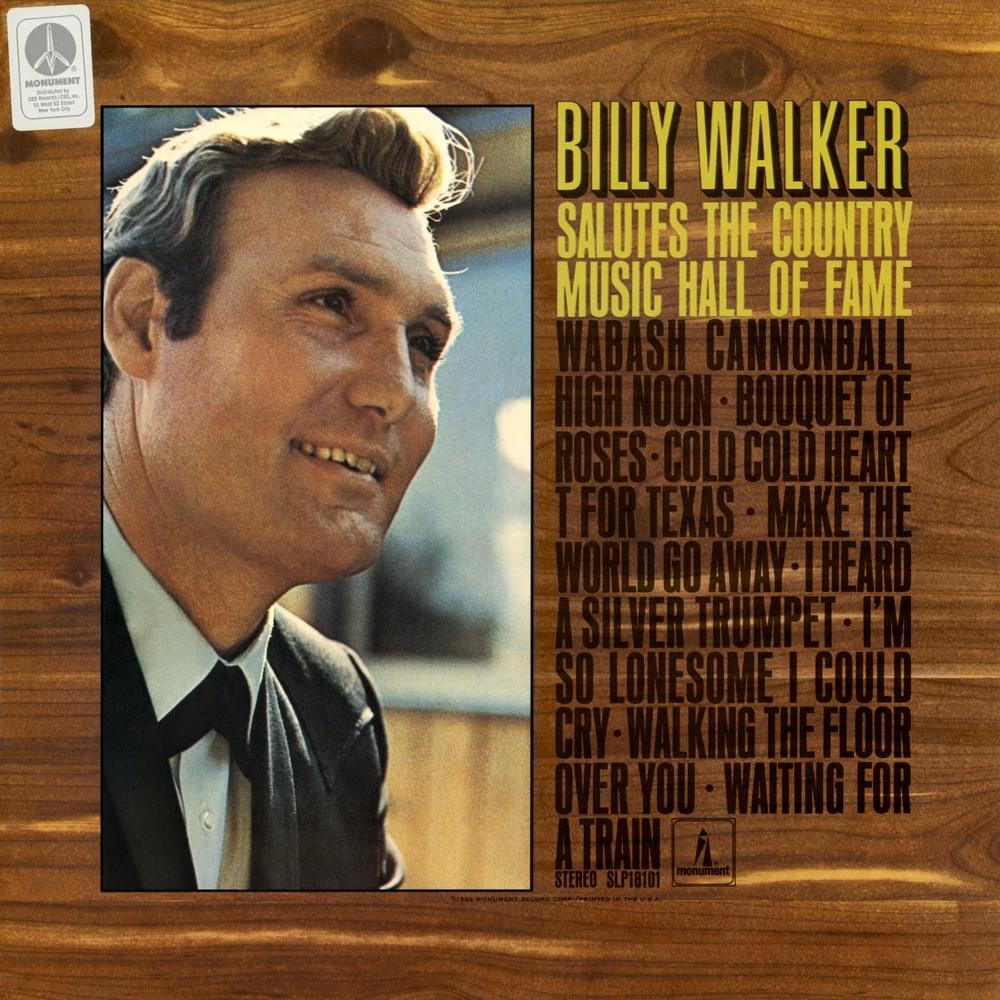
Billy Walker's "Walking the Floor Over You" isn't just a country lament; it's a sonic portrait of raw, unadulterated heartbreak. The song's power lies in its stark simplicity: a man driven to sleeplessness and desperation by a lover's sudden departure. Walker doesn't delve into complex narratives or flowery metaphors. Instead, he lays bare the repetitive, agonizing reality of loss, the kind that reduces a person to a state of near-constant, anxious motion. The lyrics paint a picture of someone physically and emotionally trapped, pacing the floor as a futile attempt to outrun the pain. Each step is a reminder of absence, each creak of the floorboards an echo of what's been lost. This isn't a sophisticated tale of love gone wrong; it's the primal scream of abandonment, accessible in its gut-wrenching honesty.
The brilliance of "Walking the Floor Over You" comes from its circular structure, mirroring the protagonist's mental state. The repetition of the title phrase, "I'm walking the floor over you," acts as a mantra, a desperate attempt to process the emotional turmoil. The simple declaration, "I can't sleep a wink that is true," speaks volumes about the all-consuming nature of grief. It's a state of hyper-awareness, where every moment is amplified by the absence of the loved one. Even the act of hoping and praying, usually associated with solace, becomes another form of torment as the heart breaks "right in two." The speaker knows the person is gone but can’t stop hoping for their return.
Underneath the surface of the lyrics, there's a subtle layer of self-awareness. Walker acknowledges the futility of his actions, understanding that pacing the floor won't bring his lover back. However, this knowledge doesn't offer any comfort. Instead, it highlights the powerlessness that accompanies heartbreak. The line, "Just keep right on a walking and it won't hurt you to cry," is a twisted form of encouragement, suggesting that physical activity can somehow numb the pain. But it's a false promise. "Walking the Floor Over You" is a testament to the enduring power of simple emotions, a reminder that sometimes the most profound statements are the ones that speak directly to the heart of human experience.
 View Artist