Song Meaning
Billy Walker's "Love Me Now Hurt Me Later" isn't a simple plea for affection; it's a stark negotiation with emotional pain, a devil's bargain struck in the currency of fleeting joy. The narrator is fully aware of impending heartbreak, acknowledging that the object of their affection is the very source of their anguish. Yet, they actively choose the present moment's solace over future security, a decision born not of naivete, but perhaps of a weary resignation. There's a compelling vulnerability in admitting, "If I thought I could forget you that was my mistake / 'Cause you're with me every step and every breath I take." It speaks to a love so deeply ingrained it has become inextricable from the narrator's very being. The line acknowledges the futility of escape, suggesting that any attempt to move on is a delusion.
The chorus, the song's central paradox, becomes a desperate mantra: "Love me now hurt me later if that's how it's to be / But give me something to remember after you forgotten me." This isn't blind optimism; it's a pragmatic acceptance of a doomed relationship. The request for a lasting memory highlights a desire to leave a mark, to etch oneself into the consciousness of the other person, even if the relationship itself is destined for oblivion. It's a poignant expression of the human need for validation and permanence in the face of transient connection.
The second verse underscores the cyclical nature of this emotional torment. "Lately I've been more unhappy than I've ever been / Every time I turn around you're on my mind again" suggests an obsessive loop, a pattern of longing and disappointment that the narrator seems unable to break. The phrase "all this running and not getting anywhere" implies a futile attempt to escape the relationship's gravitational pull. Ultimately, "Love Me Now Hurt Me Later" isn't just a song; it's a raw, honest portrayal of the complex and often self-destructive choices we make in the name of love. It's about the moments when the present outweighs the future, and we choose the sharp sting of immediate pleasure over the dull ache of prolonged absence.
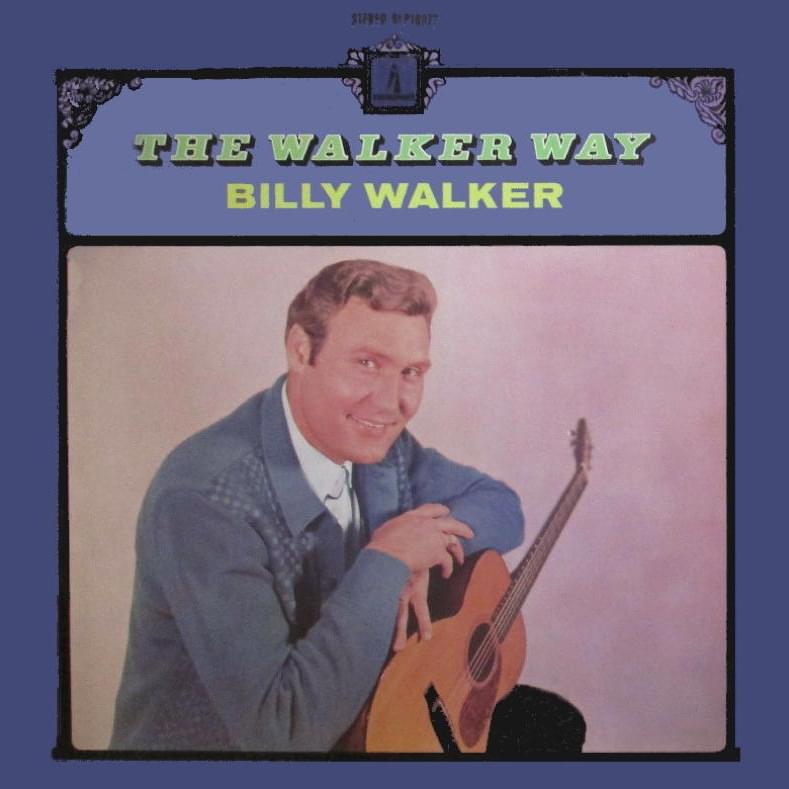
 View Artist