Song Meaning
Billy Walker's "It's Lonesome" isn't just a country lament; it's a raw, exposed nerve of immediate regret. The song sidesteps complex narratives, opting instead for the primal scream of a man barely 48 hours past a breakup, already drowning in the silence she left behind. The hyperbole isn't poetic license; it's the distorted perception of someone whose world has shrunk to the four walls around him. A million miles walked, a million times opening the door – these aren't literal; they represent the obsessive loop of hope and disappointment that defines early grief.
The genius of "It's Lonesome" lies in its simplicity. Walker doesn't try to dissect the relationship's failure or assign blame. There's no anger, no accusations, just the hollow echo of her absence. The repeated line "Hmm it's lonesome without you" acts as a mournful mantra, a desperate attempt to fill the void with sound, even if that sound is just a statement of the obvious. It's the kind of stark emotional honesty that cuts through the noise and resonates with anyone who's ever felt the gut-wrenching ache of loneliness after love's departure.
The raw vulnerability of the lyrics hints at a deeper psychological truth: the addictiveness of love. The speaker isn't just missing a partner; he's missing a fix. "Love me as only you can do" is a plea for a specific, irreplaceable connection, suggesting a dependence that transcends simple companionship. This isn't a song about heartbreak; it's a song about withdrawal, the agonizing process of severing a bond that has become essential to one's sense of self. The simplicity of the melody, combined with the starkness of the lyrics, creates a uniquely powerful portrait of a man stripped bare by loss, left only with the haunting realization: "It's Lonesome."
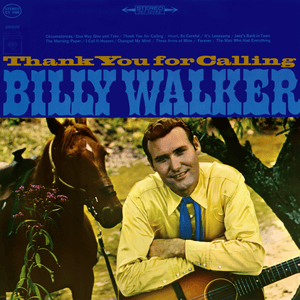
 View Artist