Song Meaning
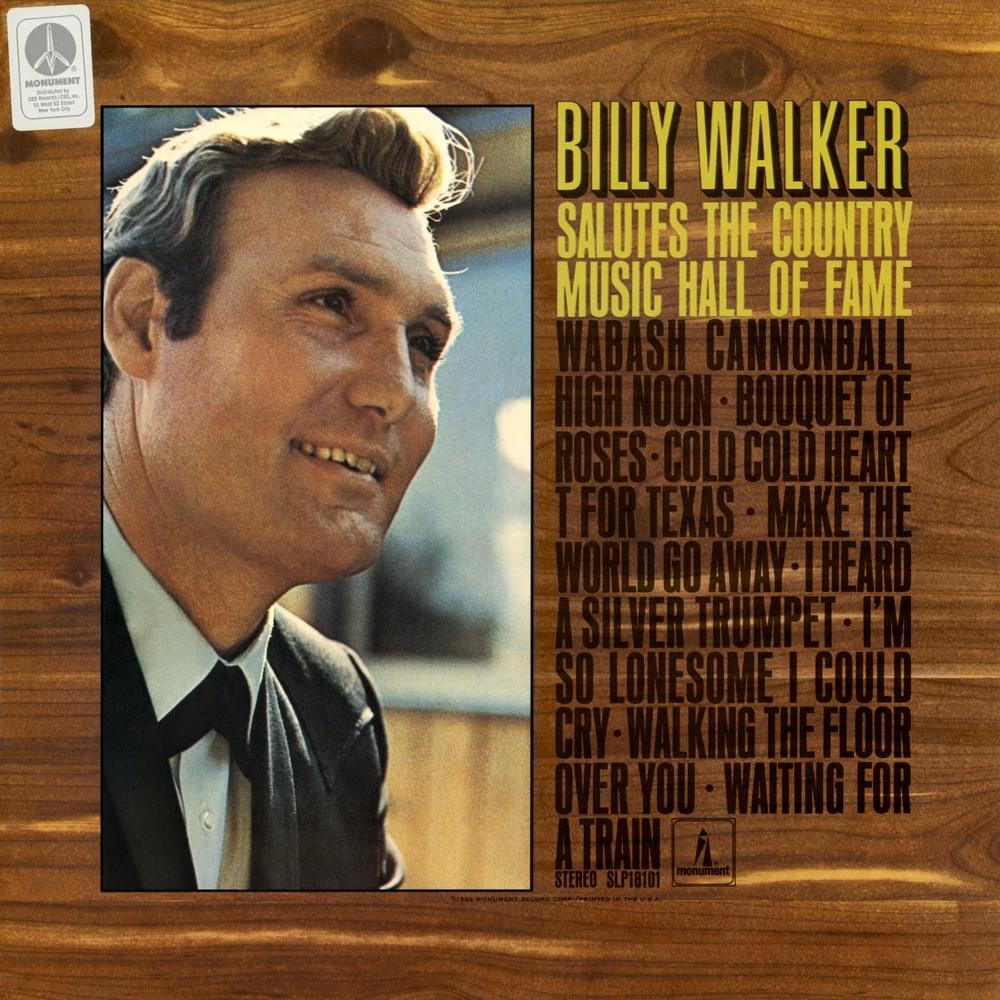
Billy Walker's "I'm So Lonesome I Could Cry" isn't just sad; it's a masterclass in personifying despair through the natural world. The opening lines immediately establish a landscape of loneliness: a whippoorwill 'too blue to fly,' a train's mournful whine. These aren't just background details; they're emotional mirrors reflecting the singer's internal state. The brilliance lies in how Walker uses these external images to amplify the feeling, hinting that his sorrow is so profound it affects the very fabric of his surroundings. The moon, a classic symbol of romance, literally hides its face in empathetic anguish. It's a powerful, almost gothic vision of heartbreak.
The lyrics delve deeper into this symbiotic relationship between inner turmoil and the external world. The weeping robin that has lost the will to live becomes a stark metaphor for the singer's own suicidal ideation. It's a raw admission of emotional devastation, masked just thinly enough by the natural imagery to avoid melodrama. The falling star, a fleeting moment of beauty in a 'purple sky,' only serves to accentuate the vast emptiness and the speaker's desperate wondering about a lost love. The color purple itself often represents sadness and mourning, deepening the sense of loss.
Ultimately, the song’s genius rests in its simplicity and direct emotionality. Walker isn't just telling us he's lonely; he's creating an entire ecosystem of loneliness, where even celestial bodies and birds are infected by his grief. The repetition of 'I'm so lonesome I could cry' acts as both a refrain and a confession, hammering home the sheer, unadulterated weight of his sorrow. It's a sentiment that resonates because it taps into the universal human experience of profound loss, using nature as a conduit to express the inexpressible depths of despair.
 View Artist