Song Meaning
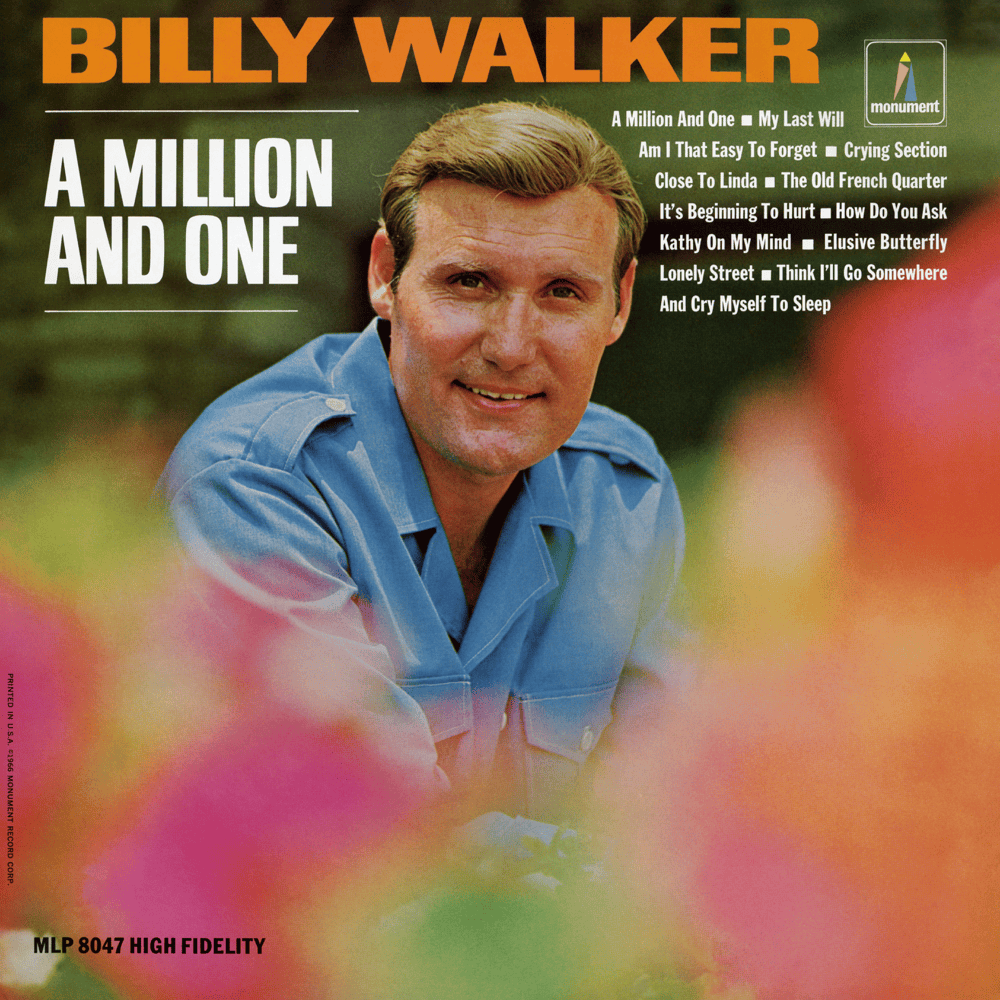
Billy Walker's "How Do You Ask" isn't just a plaintive country ballad; it's a masterclass in the anatomy of unrequited love, dissecting the agonizing helplessness that comes with loving someone who remains emotionally out of reach. The song isn't concerned with the thrill of new romance, but the quiet desperation of a love already offered, already rejected, and the almost childlike bewilderment that follows. The central question, "How do you ask someone to love you?" isn't a literal query but a rhetorical scream into the void of emotional unavailability. It acknowledges the inherent imbalance of power when one person's heart is laid bare and the other remains unmoved. Walker isn't just singing about longing; he's articulating the specific torture of wanting to *earn* affection, to somehow engineer a reciprocal feeling.
The beauty, and the heartbreak, of "How Do You Ask" lies in its unflinching honesty. There's no bravado, no blaming, just a raw admission of vulnerability. The lyrics expose the futile attempts to quantify love, to find the magic formula of words or actions that will finally unlock the beloved's heart. The repetition of the central question underscores the cyclical nature of the singer's torment, trapped in a loop of yearning and unanswered pleas. It highlights the inherent unfairness of the situation. The singer has offered everything—"my heart… my soul"—and received nothing in return. This isn't a tale of seduction or conquest, but of abject surrender and the devastating realization that some affections simply cannot be willed into existence.
Ultimately, "How Do You Ask" resonates because it taps into a universal fear: the fear of being unlovable, or, perhaps more accurately, of loving someone who is incapable of returning that love in the way we desire. The rawness of the lyrics combined with Walker's delivery transforms the song into more than just a country lament. It's a stark exploration of the human need for connection and the painful reality that sometimes, despite our best efforts, that connection remains elusive. The song's power resides not in offering answers, but in giving voice to the unspoken question that haunts every unrequited heart.
 View Artist