Song Meaning
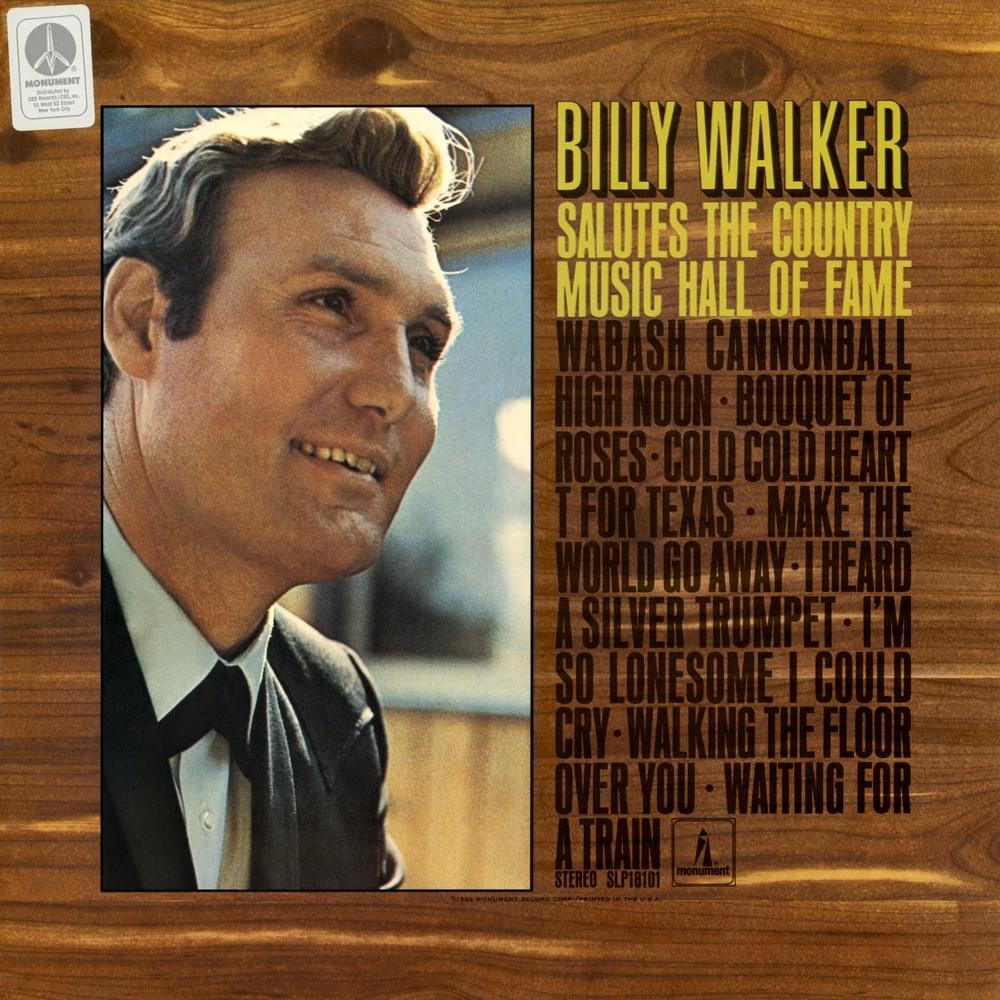
Billy Walker's "High Noon" isn't just a country lament; it's a pressure cooker of love, duty, and existential dread. The lyrics, steeped in the imagery of a Western showdown, lay bare a man's internal conflict on what should be his happiest day. The impending "high noon" isn't just a time of day; it's the hour of reckoning, the moment when a past threat resurfaces, forcing him to choose between his life and his love. The plea, "Do not forsake me, oh my darling," underscores the emotional tightrope he walks.
The genius of the song lies in its juxtaposition of the sacred and the violent. A wedding day, a symbol of new beginnings and unwavering commitment, is overshadowed by the specter of death. He's not merely facing an enemy; he's battling the potential loss of his beloved, a fear that seems to outweigh even the threat to his own life. "Oh to be torn twixt love and duty," he sings, capturing the agonizing dilemma at the heart of the narrative. Is bravery facing the gunslinger, or is it staying with his wife, even if it means sacrificing his honor, or perhaps his life?
Ultimately, "High Noon" explores the fragility of promises and the weight of expectations. The bride's vow to stand by him is tested by circumstances beyond their control. The ticking clock intensifies the sense of urgency, mirroring the internal turmoil of a man wrestling with his conscience. The repeated entreaty for her to stay isn't just a request; it's a desperate attempt to anchor himself to something real amidst the chaos, to find strength in love as he faces his darkest hour. The song meaning hinges on this desperate plea, a testament to the power of human connection in the face of overwhelming adversity.
 View Artist