Song Meaning
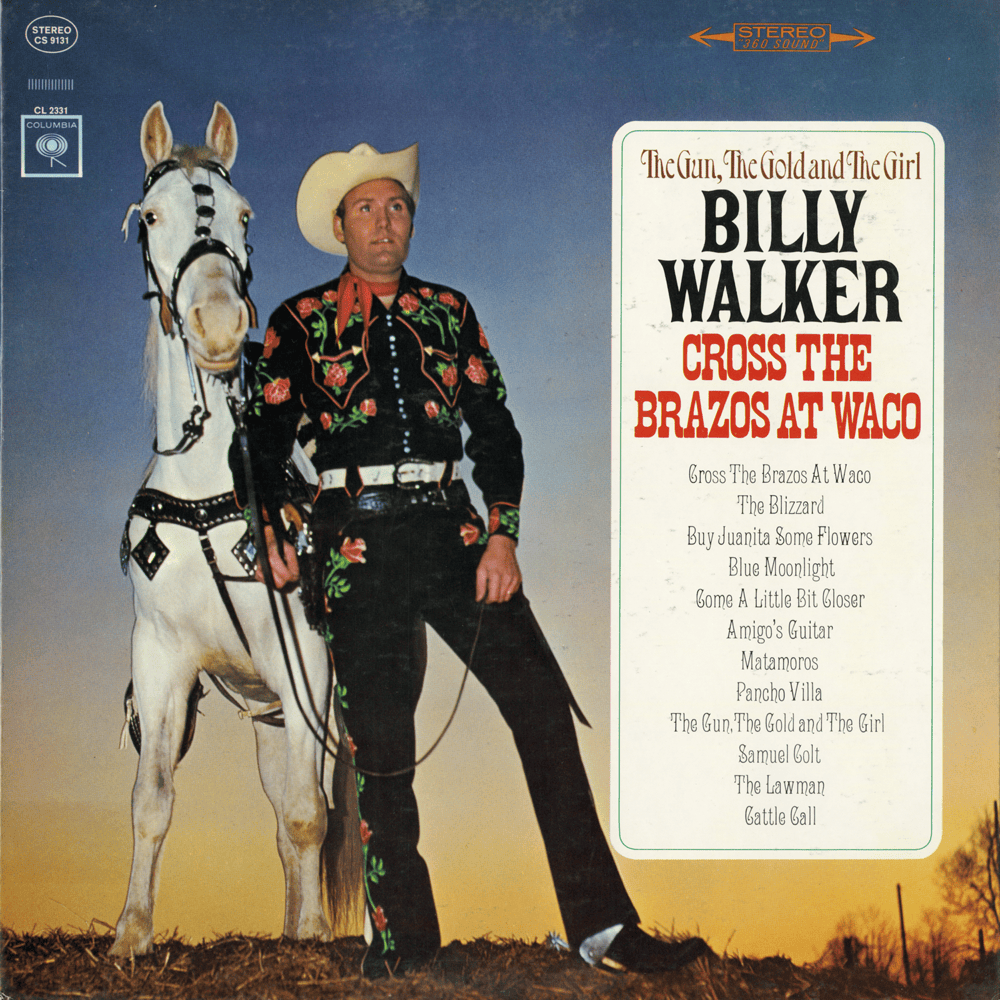
Billy Walker's "Cattle Call" isn't just a song; it's a sonic snapshot of a bygone era, a wistful echo of the American West. The lyrics, though simple, paint a vivid picture: cattle restless in the night, coyotes serenading the darkness, and the lonely, almost plaintive sound of a cowboy's call cutting through the stillness. It's a scene steeped in romanticism, yet grounded in the harsh realities of frontier life. The song's power lies not in complex narratives but in its ability to evoke a feeling, a sense of longing for a simpler time, or perhaps a yearning for the freedom associated with the open range. The 'old western drawl' isn't just a vocal style; it's a signifier of authenticity, a connection to a heritage that's both celebrated and increasingly distant. The cattle call itself becomes a metaphor for communication across that distance, a primal urge to connect in a world of vastness and solitude. Walker's rendition, like the song itself, taps into something deeply embedded in the American psyche. It's a reminder of our roots, of the rugged individualism and the quiet beauty that defined the West.
At its heart, the song meaning of "Cattle Call" explores themes of loneliness and connection. The cowboy, 'brown as a berry from ridin' the prairie,' is both part of and apart from the landscape. He's weathered by it, shaped by it, but also isolated within it. His 'lonesome cattle call' is an attempt to bridge that gap, to find solace in the shared experience of tending the herd. The coyotes' howling and the doggies' bawl create a chorus of solitude, emphasizing the vastness of the space and the vulnerability of the human presence. While the cattle call is ostensibly a practical tool for managing livestock, it also serves as a form of emotional expression, a way for the cowboy to assert his presence and communicate his needs in a world that often feels indifferent.
Ultimately, "Cattle Call" is more than just a cowboy tune; it's a meditation on the human condition. It's about finding meaning and connection in the face of isolation, about preserving tradition in a rapidly changing world, and about the enduring power of music to evoke a sense of place and belonging. Billy Walker's interpretation, through its understated delivery and authentic tone, elevates the song from a simple narrative to a poignant reflection on the American spirit.
 View Artist