Song Meaning
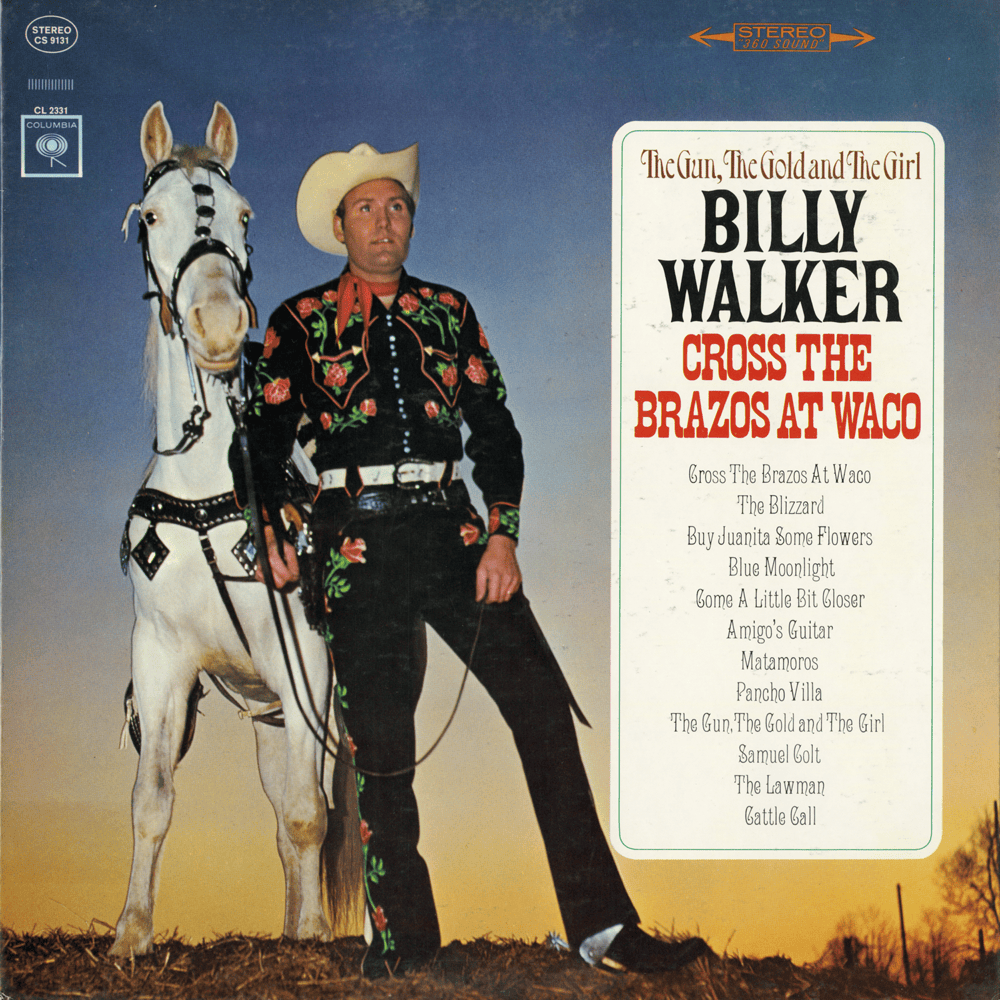
Billy Walker's "Blue Moonlight" isn't just a country lament; it's a surgically precise dissection of guilt. The titular blue moonlight, bathing a romantic encounter in Mexicali, becomes less a symbol of innocent passion and more the harsh, unforgiving light of conscience. Walker doesn't shy away from the stark reality of his actions. He frames the initial infatuation as a catalyst for betrayal, a momentary happiness purchased at the steep price of broken vows. The allure of 'red lips 'neath the blossoms of white' quickly fades, replaced by the 'shame in my soul' that refuses to die. It's a brutal honesty rarely found outside of classic country music.
The chorus serves as the song's emotional anchor, repeatedly hammering home the consequences of fleeting joy. The singer's happiness directly leads to broken promises and, ultimately, to a solitary existence haunted by regret. The image of 'blue moonlight' now touching his pillow as he weeps transforms the romantic setting into a constant reminder of his transgression. It's a clever twist, weaponizing the initial symbol of love against the protagonist. The song shrewdly explores the psychological weight of infidelity, the internal conflict between immediate gratification and long-term consequences.
What elevates "Blue Moonlight" beyond a simple tale of regret is the singer's awareness of his own culpability. There's no attempt to rationalize or deflect blame. He acknowledges his lack of freedom, his internal struggle, and ultimately pleads for divine forgiveness, hinting at a deeper moral reckoning. The beauty of the melody, juxtaposed against the somber lyrics, creates a powerful tension, mirroring the internal turmoil of a man wrestling with the fallout of his choices. Walker paints a portrait of a man trapped not just by circumstance, but by the inescapable prison of his own conscience, illuminated by the cold, blue moonlight.
 View Artist