Song Meaning
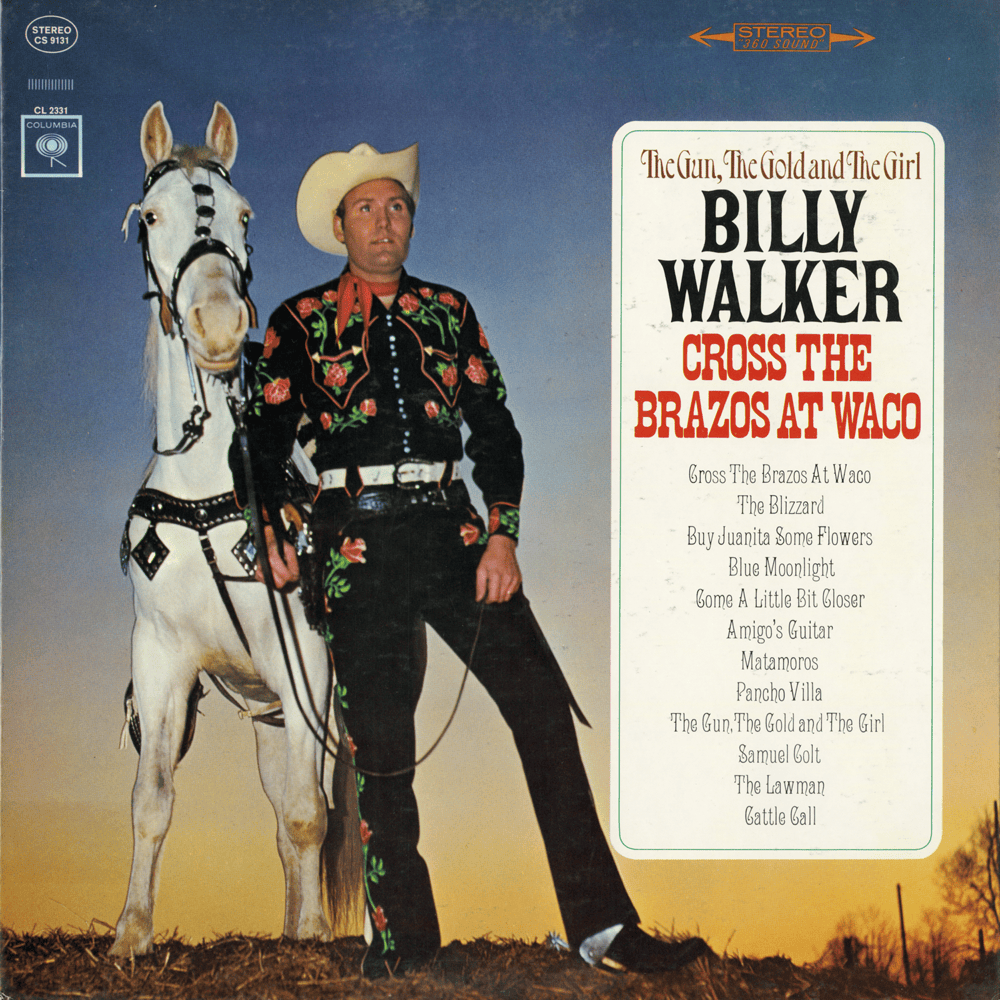
Billy Walker's "Amigo's Guitar" isn't just a country song; it's a miniature study in anticipatory grief, seasoned with a melancholic, almost cinematic, Tex-Mex flavor. The song meaning resides in the tension between the warmth of the present moment ("Hold me close and say you love me") and the looming specter of departure. This isn't a breakup song in the heat of the moment, but a pre-breakup song, heavy with the knowledge that 'tomorrow you'll be gone so far.' The repeated pleas for affection underscore the singer's awareness of the relationship's fragility. The setting, DeVilla, becomes a stage for this intimate drama, a place where fleeting joy is amplified by the awareness of its imminent end.
The genius of the song lies in the figure of Amigo and his 'lonely blue guitar.' Amigo is more than just a musician; he's the embodiment of the sadness permeating the scene. His 'blue guitar' isn't just a color description; it's a symbol of the singer's emotional state, a premonition of the 'blue' feeling that will engulf her 'manana morning.' The line 'Amigo plays Asta de Vago' is intriguing. "Asta de Vago" could be interpreted as a reference to wandering or aimlessness, further emphasizing the transient nature of the relationship and the feeling of being lost once the loved one is gone. The guitar acts as a constant reminder of the inevitable sorrow.
The 'Ai-ai-ai-ai' refrain and the lonely moon add to the atmospheric weight. The moon, a classic symbol of solitude, mirrors the singer's impending loneliness. The repetition of 'tomorrow I'll wonder where you are' speaks to the uncertainty and anxiety that accompany the unknown future. Walker captures a specific kind of heartache – the quiet dread that precedes a known loss, a feeling that's often more potent than the actual event itself. "Amigo's Guitar" transforms a simple country melody into a poignant exploration of love, loss, and the haunting beauty of goodbye.
 View Artist