Song Meaning
This track paints a stark picture of absolute devotion, framing love not as a choice but as an inescapable condition. The narrator is utterly consumed, finding themselves "alone from night to night," too weakened to sever the ties that hold them captive. The repeated assertion, "I'm just a prisoner of love," immediately establishes a tone of helplessness and resignation, suggesting a love that has become a form of bondage rather than liberation. The opening verses lay out this feeling of being trapped with no apparent escape route.
The central tension lies in the narrator's complete surrender of agency. They are "too weak to break the chains" and stand "for one command," waiting for a master who controls their fate. This isn't a reciprocal relationship; it's a one-sided subjugation where the narrator's will is entirely subsumed. The lyrics highlight the paradox of wanting love while simultaneously being destroyed by it, as the object of affection is described as "sharing" the narrator's desired connection with another, yet the narrator remains "not free" to seek solace elsewhere.
The most striking aspect of the writing is the consistent use of imprisonment metaphors. Phrases like "chains that bind me," "shackles," "master of my fate," and "forever bound" create a powerful, unified image of captivity. This isn't just a figure of speech; it's presented as the literal state of the narrator's existence. The shift in Verse 5, where the narrator claims "I had a heart so true / Now I have none," underscores the destructive nature of this love, suggesting it has stripped them of their former self, leaving them entirely dependent and "bound."
Ultimately, the effectiveness of these lyrics stems from their unflinching portrayal of love as an overwhelming, disempowering force. The consistent, almost desperate repetition of being a "prisoner" hammers home the emotional weight of this experience. It’s the raw, unvarnished expression of a love that has become a complete loss of self, leaving the narrator with nothing but a desperate plea to avoid further "runaround" while acknowledging their permanent state of being "forever bound."
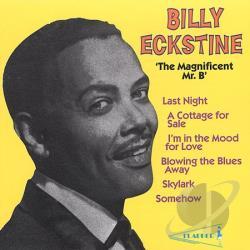
 View Artist