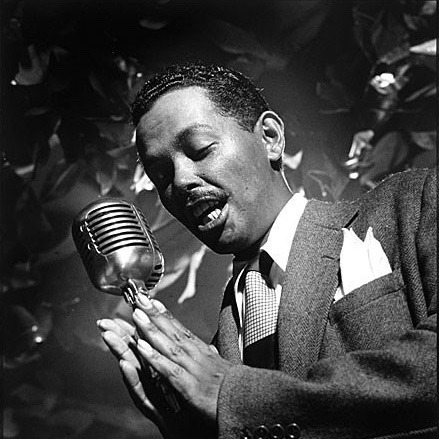
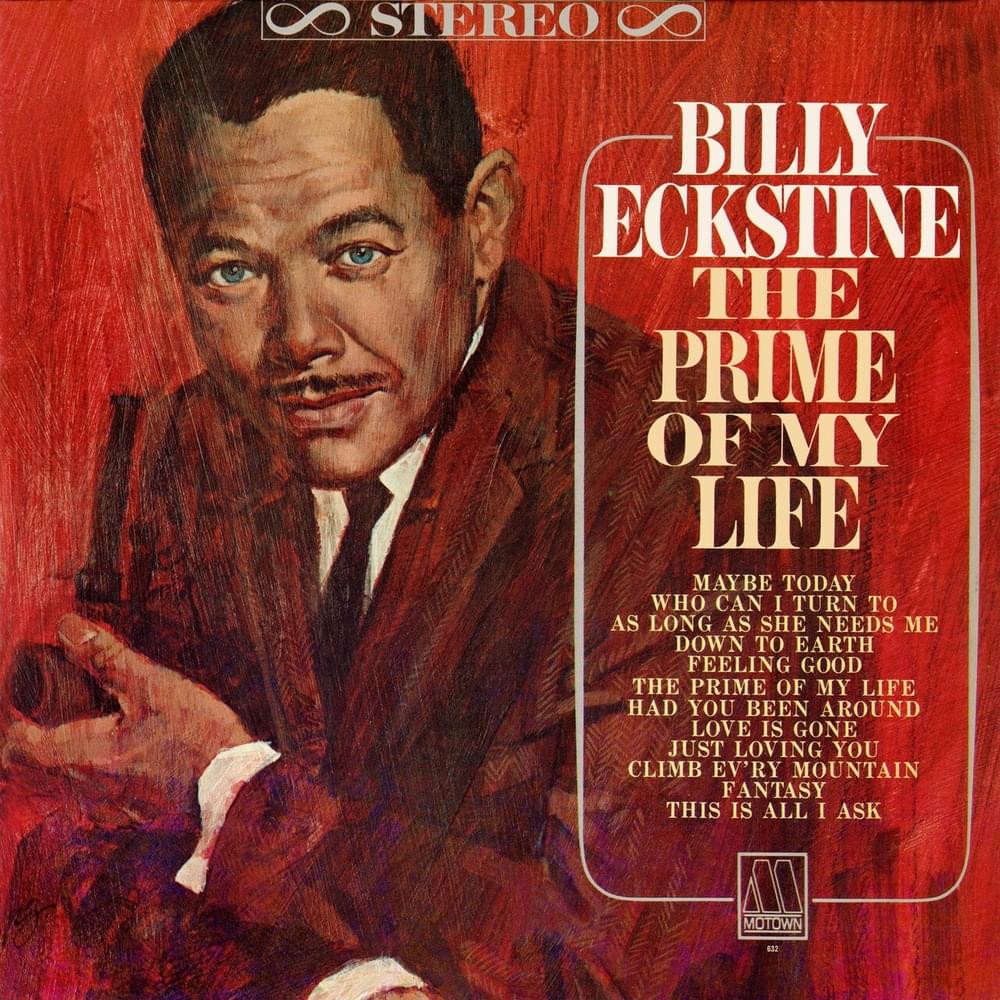
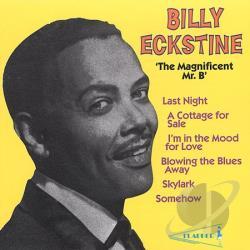
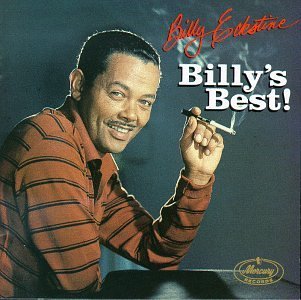
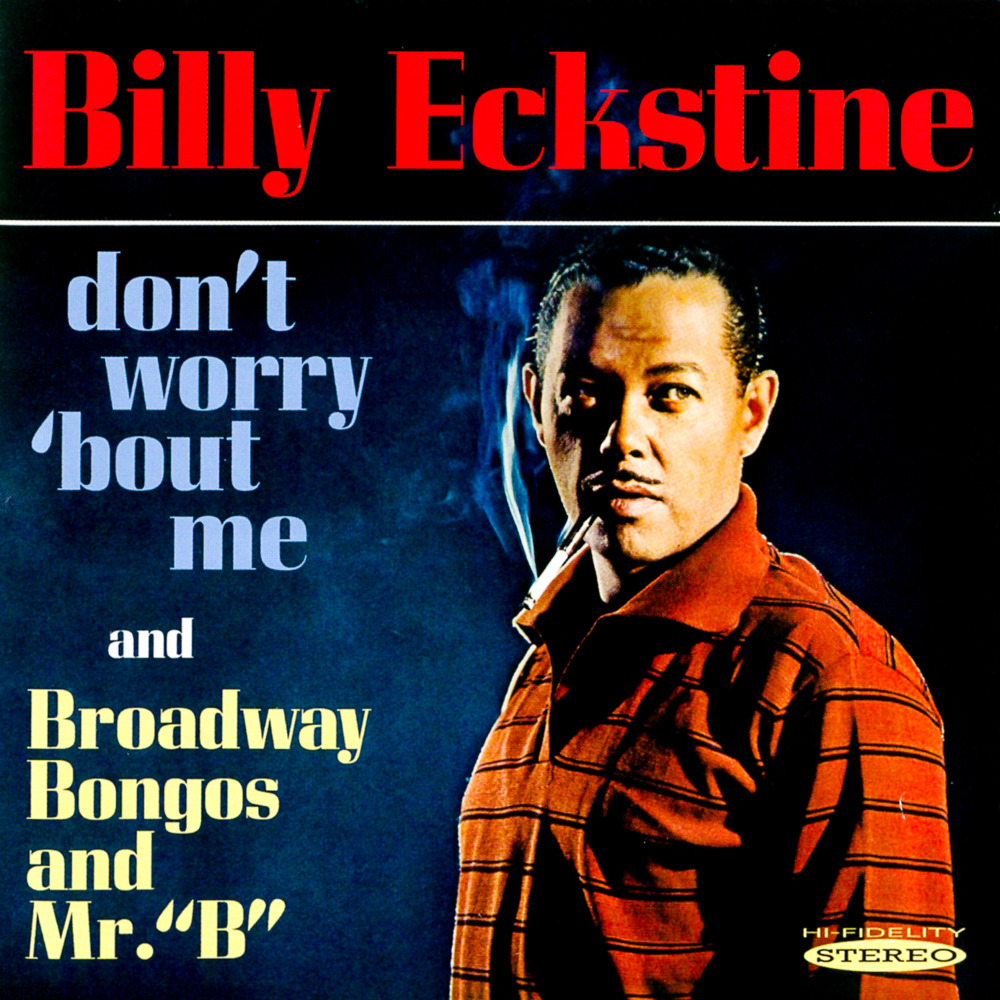
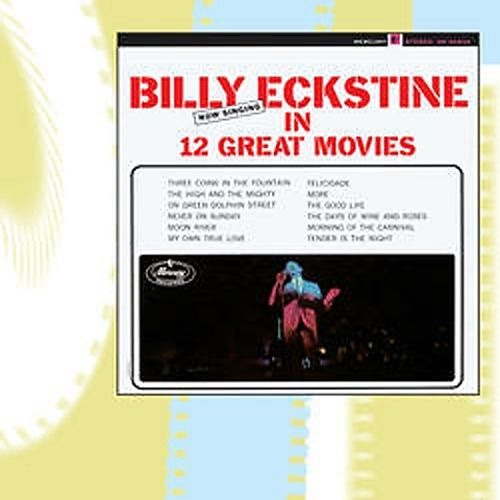
Billy Eckstine, a name synonymous with smooth sophistication and vocal prowess, carved a unique path through the landscape of American popular music. Born William Clarence Eckstine in Pittsburgh, Pennsylvania, his journey began in the gospel-rich environment of his church choir. This early exposure instilled in him a deep appreciation for melody and harmony, elements that would later define his signature style. Eckstine’s baritone voice, often described as velvet, possessed a rare combination of warmth, power, and nuance, allowing him to navigate genres with effortless grace.
Eckstine's early career found him fronting big bands, notably the Earl Hines Orchestra, where he honed his skills as both a vocalist and a bandleader. This experience proved invaluable, providing him with the platform to experiment with different musical styles and develop his stage presence. It was during this period that he began to cultivate his distinctive crooning style, a style that would soon captivate audiences nationwide. He struck out on his own in the mid-1940s, forming his own big band, a move that was both bold and pioneering. Eckstine’s band became a breeding ground for future jazz legends, including Charlie Parker, Dizzy Gillespie, and Miles Davis. This commitment to nurturing talent solidified his legacy as not only a performer but also a visionary leader.
As the big band era began to wane, Eckstine seamlessly transitioned into a solo career, focusing on ballads and popular songs. It was during this time that he achieved his greatest commercial success, releasing a string of hits that topped the charts. His interpretations of classic songs are timeless. Consider the longing and regret he poured into A Cottage for Sale, or the smooth, romantic yearning of Secret Love. Eckstine possessed an innate ability to connect with his audience on an emotional level, conveying the complexities of love, loss, and longing with remarkable sincerity. His rendition of My Foolish Heart is another prime example of his ability to take a well-known song and make it his own.
Beyond his musical talents, Eckstine was also a trailblazer in terms of race relations. He was one of the first African American artists to achieve widespread popularity among white audiences, breaking down racial barriers and paving the way for future generations of black performers. His success challenged prevailing social norms and helped to desegregate the entertainment industry. Even now, hearing I Apologize, you can feel the raw emotion he brought to every performance. Eckstine's influence extends far beyond his chart success; his impact on the landscape of American music remains undeniable. And who could forget his unforgettable rendition of As Time Goes By?
Billy Eckstine's legacy continues to resonate with music lovers today. His velvety voice, his impeccable phrasing, and his unwavering commitment to artistic excellence have cemented his place as one of the greatest vocalists of all time. While he may not be a household name for younger generations, his music continues to inspire and captivate those who appreciate the beauty and artistry of classic pop music. A true icon, Billy Eckstine's music remains a testament to the enduring power of talent, passion, and perseverance.