Song Meaning
The lyrics paint a picture of enduring romantic truths that persist despite the passage of time. It opens with a clear assertion that certain fundamental actions and emotions remain constant: a kiss is still a kiss, a sigh is just a sigh. This sets a tone of nostalgic certainty, suggesting that while the world changes, the core experiences of love and connection are immutable. The narrator emphasizes that these basic elements of human interaction, like lovers' vows, are reliable anchors in a shifting reality.
The central tension lies in the contrast between the simple, unchanging nature of love's expressions and the complex, often turbulent emotions that accompany it. While the narrator states that "moonlight an' love songs never out of date" and that "lovers woo," they immediately pivot to acknowledge the presence of "passion, jealousy an' hate." This juxtaposition highlights that love, in its fundamental form, coexists with a full spectrum of human feeling, suggesting that the "fundamental things" are not always easy or pure, but they are undeniably present.
The most striking craft element is the insistent repetition of the phrase "As time goes by." This refrain acts as a constant reminder of the lyrics' core theme, framing all the preceding observations as enduring truths that hold regardless of temporal shifts. The cyclical nature of the repeated lines, especially the final two stanzas which are identical, reinforces the idea that these "same old story" elements – the fight for love, the "do or die" stakes – are a perpetual cycle that the world continues to embrace.
Ultimately, the effectiveness of these lyrics stems from their resolute, almost comforting, declaration of constancy in the face of inevitable change. By grounding grand ideas in simple, tangible actions like a kiss or a sigh, the narrator creates a sense of shared, timeless experience. The song offers a perspective where love's essential nature is a reliable constant, a reassuring truth that "no one can deny" as the world keeps turning.
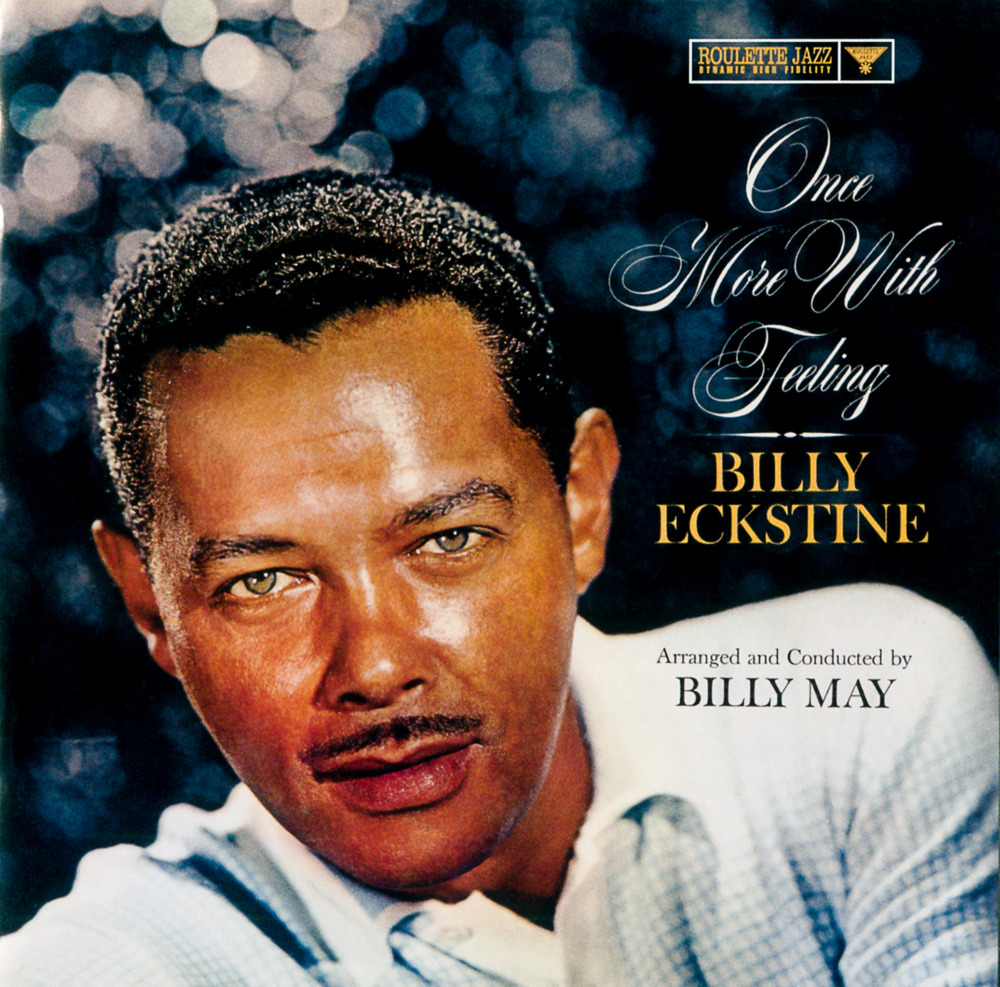
 View Artist