Song Meaning
The lyrics paint a stark picture of someone utterly consumed by an unrequited or unattainable love, feeling trapped and powerless. The opening lines establish a sense of isolation and weakness, with the narrator admitting they are "too weak to break the chains that bind me." This isn't a physical imprisonment, but an emotional one, where the speaker feels no external force is needed to keep them captive; the love itself is the shackle. The repetition of "I'm just a prisoner of love" hammers home this central theme of complete subjugation.
The dominant tension arises from the narrator's awareness of their own lack of freedom and the futility of their devotion. They "stand and wait" for a "master of my fate," indicating a complete surrender of agency. The poignant question, "What's the good of my caring if someone is sharing those arms with me," reveals the painful reality that the object of their affection is with another. Despite this, the narrator feels they "can't have another for I'm not free," highlighting the paradoxical nature of their bondage – they are bound to a love that offers no reciprocal fulfillment.
The most striking aspect of the craft is the consistent use of prison imagery to describe an emotional state. Phrases like "chains that bind me," "shackles," and "prisoner" are deployed to articulate a profound lack of control. This metaphor is amplified by the description of the beloved as a "master" and the narrator's actions, "Upon my knees to him I'm creeping," which suggest a desperate, almost devotional subservience. The line "My very soul is in his keeping" elevates this to a spiritual level, implying that their entire being is held hostage by this one-sided affection.
This lyrical construction is effective because it translates a complex emotional experience into a visceral, easily understood metaphor. The stark, declarative sentences and the relentless repetition of the core phrase create a sense of inescapable despair. The listener is made to feel the weight of this emotional captivity, understanding that the narrator's suffering stems not from external circumstances, but from the internal, overwhelming power of their love, which has rendered them utterly unfree.
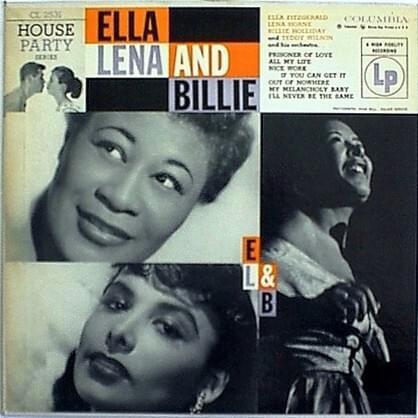
 View Artist