Song Meaning
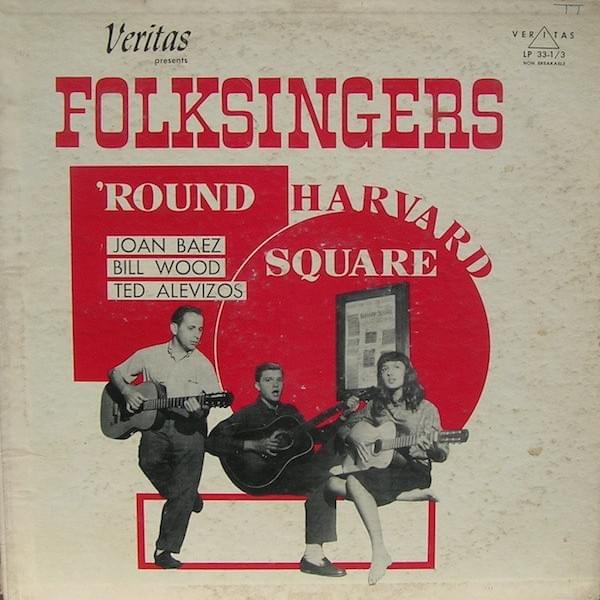
{"song_id": 14484053, "meaning": "Joan Baez's rendition of \"Careless Love\" isn't just a folk tune; it's a stark excavation of love's destructive power, distilled into its most elemental form. The repetition of the opening lines, \"Love, oh, love, oh careless love / You see what love has done to me,\" acts as a primal scream, a cyclical lament that traps the listener in the singer's obsessive heartbreak. The \"careless love\" itself isn't just a descriptor; it's a diagnosis. It's the kind of love that acts without thinking, that prioritizes immediate gratification over long-term consequence, and leaves a trail of emotional wreckage in its wake. Baez's delivery, stark and unwavering, amplifies the raw vulnerability at the song's core. This isn't a romantic ballad; it's a confession of self-inflicted wounds. The almost painful repetition underscores the feeling of being stuck in a loop, endlessly replaying the same destructive patterns.
The lyrics then veer into familial betrayal, intensifying the emotional stakes. \"I'd love my mama and papa too / I'd love my mama and papa too / I'd love my mama and papa too / I'd leave them both to go with you.\" This verse highlights the blinding, irrational nature of infatuation. It’s not just about choosing a lover over family; it’s about willingly sacrificing the very foundations of stability and security for a fleeting, potentially toxic connection. The concern about \"What, oh what, will mama say / When she learns I've gone astray\" hints at a deeper societal pressure and internalized guilt, suggesting the singer is aware of the transgressive nature of her choices, yet powerless to resist.
The imagery of the apron offers a glimpse into the singer's changing social standing and perceived desirability. \"Once I wore my apron low / I couldn't scarcely keep you from my door\" suggests a time when she was readily available, perhaps even eager for attention. The \"apron,\" traditionally a symbol of domesticity and service, becomes a signifier of her past accessibility. The shift to \"Now my apron strings don't pin / You pass my door and you don't come i\" poignantly illustrates the consequences of her \"careless love.\" She's no longer seen as the desirable, available figure she once was, highlighting the isolating aftermath of a love gone sour. The image of the apron strings that no longer fasten also suggests a loss of control, a feeling of unraveling that mirrors the disintegration of the relationship itself. Baez doesn't just sing about heartbreak; she embodies its slow, agonizing decay."}