Song Meaning
The lyrics paint a picture of a tense, charged moment teetering on the edge of something significant. The narrator is observing subtle shifts, a kind of atmospheric change, while simultaneously engaging in a ritual of submission. Placing their head in another's hands is framed as "atonement," suggesting a past transgression that has disrupted a previously "perfect posture," hinting at a broken ideal or a loss of grace.
The central tension seems to revolve around a destructive duality. The phrase "body of a boy, mind of a monster" immediately establishes a jarring contrast, implying innocence corrupted or a deceptive exterior. This internal conflict is amplified by the external force described as "her," whose "rivers of lust" act as "systems of torture," suggesting an overwhelming, perhaps predatory, attraction that erodes the narrator's "will to resist."
The most striking craft element is the juxtaposition of the sensual and the violent, the beautiful and the monstrous. The repeated "Flesh" acts as a stark, almost primal anchor, grounding the abstract emotional turmoil in the physical. The narrator’s act of atonement and the description of lust as torture create a powerful, unsettling dynamic where desire itself becomes a source of pain and regret, a stark contrast to the idealized "joy forever" of Keats.
These lyrics resonate because they tap into the disorienting experience of being caught between conflicting impulses and external pressures. The writing makes the internal struggle palpable, using visceral imagery like "water" and "rivers" to convey the loss of control. The raw, almost blunt repetition of "Flesh" forces a confrontation with the physical, making the emotional and psychological torment feel deeply, uncomfortably real.
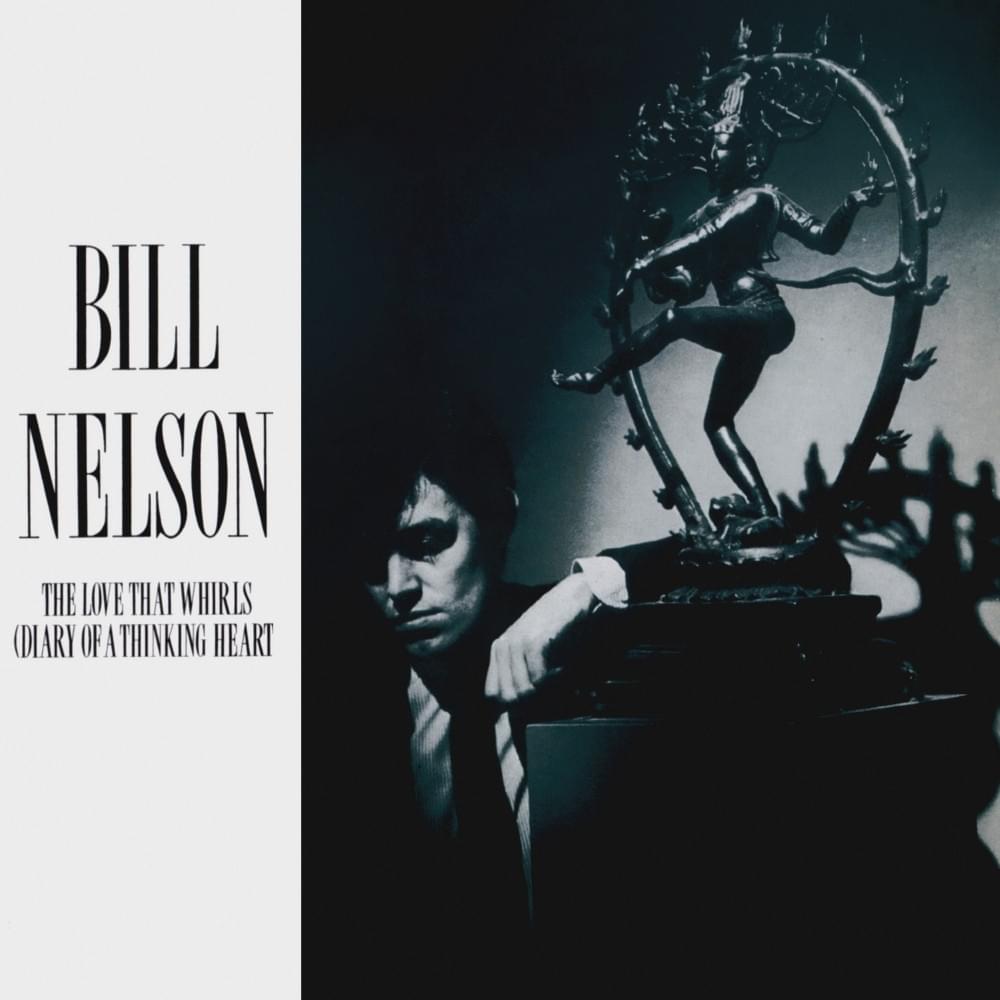
 View Artist