Song Meaning
The lyrics paint a stark picture of a life lived on the edge, saturated with intense, almost paradoxical experiences. There's a sense of detachment and a desperate search for sensation, where "music in the ice-box" and "laughter in the dark" suggest pleasure found in cold or hidden places. The repeated question, "Do you dream in colour?" acts as a plea for genuine experience, contrasting with a life seemingly stuck in monochrome or perhaps even devoid of dreams altogether, as implied by "Do you dream at all?"
The central tension emerges from the narrator's "sick obsession" and "terminal twist," hinting at self-destructive tendencies and a reliance on "the science of extremes." This is underscored by phrases like "ever-open wrist," suggesting a constant flirtation with danger or despair. The lyrics seem to grapple with a profound emptiness, where external stimuli like the "wall screen" offer a fleeting, addictive escape, a "fix" for a deeper malaise.
The most striking craft element is the juxtaposition of abstract, almost poetic imagery with blunt, visceral statements. The seemingly innocent question about dreaming in color is repeatedly framed by lines that speak of "suicide statements" and "death by violence." This creates a disorienting effect, forcing the listener to confront the dark undercurrents beneath the surface-level inquiry. The repetition of the core question amplifies its urgency, making it feel like a desperate attempt to connect or to ascertain if any true vitality remains.
Ultimately, these lyrics resonate because they capture a feeling of being overwhelmed by intensity while simultaneously feeling numb or disconnected. The writing forces a confrontation with the extremes of human experience, questioning the very nature of consciousness and the ability to feel or perceive beauty when trapped in a cycle of self-inflicted pain. The ambiguity of the narrator's state—whether they are observing or participating in this extreme existence—adds to the unsettling power of the text.
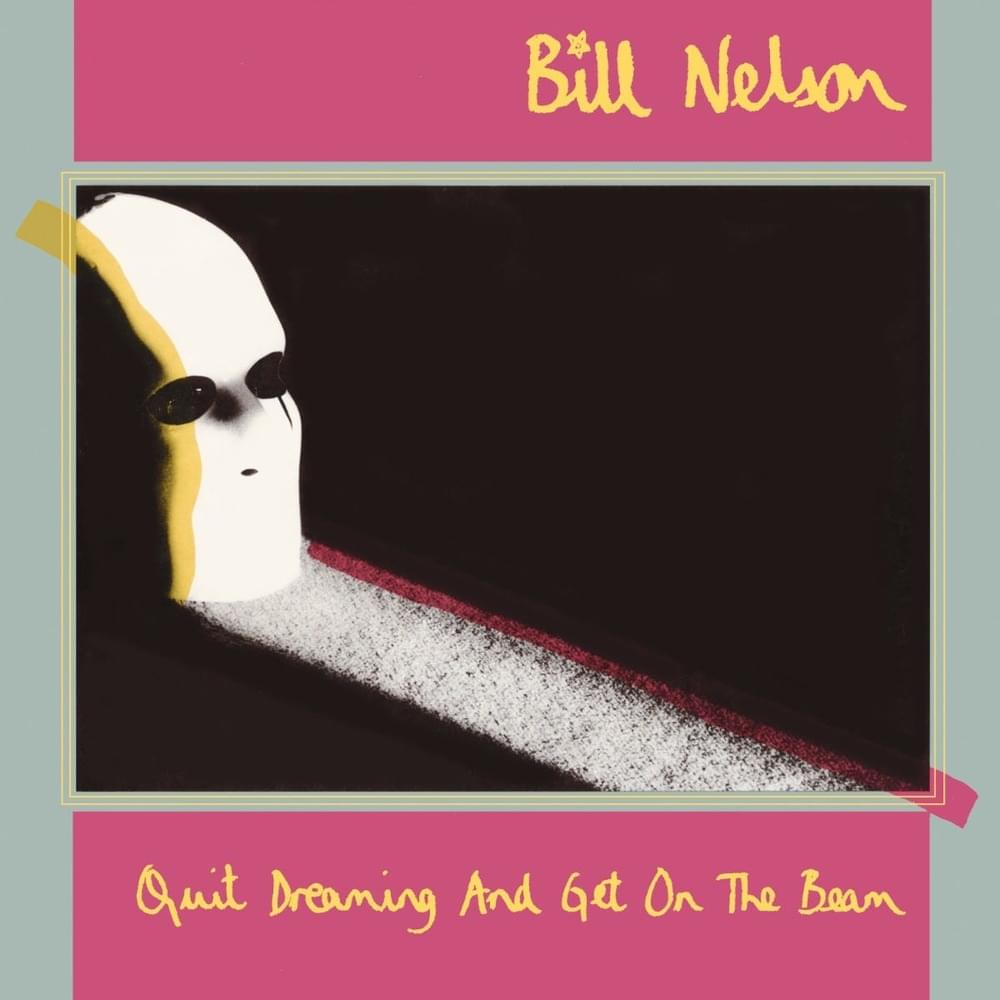
 View Artist