Song Meaning
{"song_id": 16305672, "meaning": "Bill Monroe's \"Travelin' This Lonesome Road\" isn't just a bluegrass lament; it's a stark exploration of abandonment and the crushing weight of solitude. The literal \"lonesome road\" becomes a potent metaphor for the emotional journey of a man utterly forsaken. It’s not just heartbreak; it’s the existential dread of navigating life’s path completely alone, stripped of love and companionship. The repetitive phrasing underscores the cyclical nature of grief, each verse circling back to the central pain of being left behind. Monroe isn't offering complex poetic metaphors, but rather a raw, almost primal scream of anguish. The simplicity is the point. The listener viscerally feels the speaker's isolation.
The lyrics paint a picture of a man grappling with the sudden and unexpected departure of his lover. There's a sense of disbelief, a desperate clinging to memories of a time when he thought their love was secure. The line, \"I remember dear not long ago you said you'd be my own,\" highlights the painful contrast between past promises and present reality. This memory acts as a sharp, recurring sting. The 'wind and storms' aren't just weather; they're external manifestations of the inner turmoil. The cold isn't just temperature; it's the emotional chill that permeates every aspect of his being.
The searching motif – \"All I do is roam around and look for you my dear\" – reveals a man consumed by a desperate hope, even as he acknowledges the futility of his quest. The hyperbolic \"ten thousand miles\" suggests a limitless, almost obsessive pursuit, driven by a profound need to understand why he was abandoned. But underneath the searching lies a deeper acceptance of his fate: to grow old alone, burdened by the weight of a broken heart and the endless, lonesome road stretching out before him. It's a masterclass in portraying the bleakest corners of the human psyche, wrapped in the haunting sounds of bluegrass."}
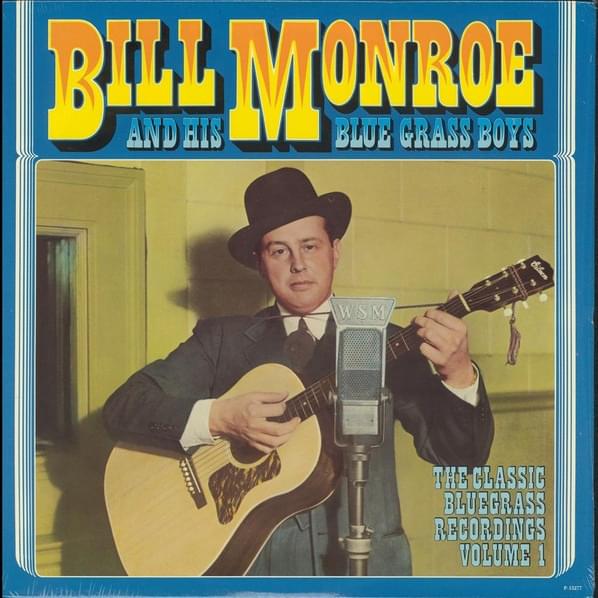
 View Artist