Song Meaning
{"song_id": 16305836, "meaning": "Bill Monroe's \"Toy Heart\" isn't just a bluegrass lament; it's a masterclass in emotional simplicity, dissecting the anatomy of heartbreak with surgical precision. The song’s core metaphor – a heart rendered as a plaything – immediately establishes the power imbalance at the center of the failed relationship. It's not merely that love ended, but that it was treated with careless disregard, a disposable object for the other person's amusement. The repetition of the line \"Darling, you toyed with a toy heart\" hammers home this feeling of violation, transforming affection into a cruel game. The \"toy heart\" isn't just broken; it's been fundamentally devalued. Monroe's genius lies in using this deceptively simple image to convey a universe of pain. The lyrics analysis reveals a rawness that bypasses flowery language, cutting straight to the bone.
The track navigates the classic stages of grief with a distinctly bluegrass flavor. There's the initial sting of betrayal (\"You played with my poor heart like a toy\"), followed by a fragile hope for healing (\"Time alone will heal my broken heart\"). But even amidst this tentative optimism, there's a lingering bitterness, a recognition of the wrong that's been committed (“Now darling, you know you've done me wrong”). This complexity keeps the song from veering into sentimentality. The speaker expresses a desire to move on (\"I'll find somebody new\"), yet the underlying vulnerability remains palpable. The seemingly simple lyrics belie a deeper understanding of the push and pull of heartbreak, the simultaneous need for closure and the lingering ache of what was lost.
Ultimately, “Toy Heart” resonates because it taps into a universal fear: the fear of being emotionally manipulated and discarded. It's a stark reminder that love, at its most vulnerable, can be easily exploited. The song's enduring appeal lies in its ability to articulate this painful truth with unflinching honesty, solidifying its place as a bluegrass standard and a poignant exploration of the human heart's fragility. Bill Monroe's examination of the song meaning reveals a raw, authentic nerve that continues to resonate with listeners across generations."}
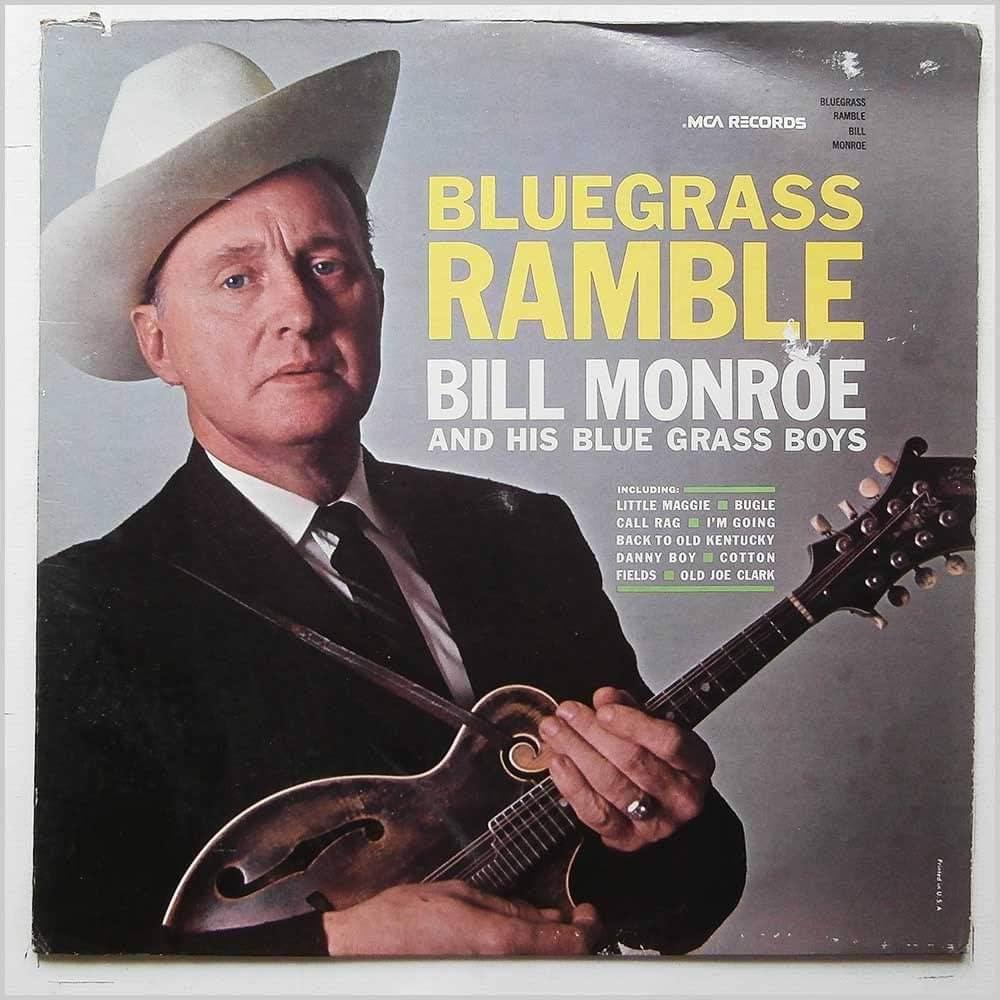
 View Artist