Song Meaning
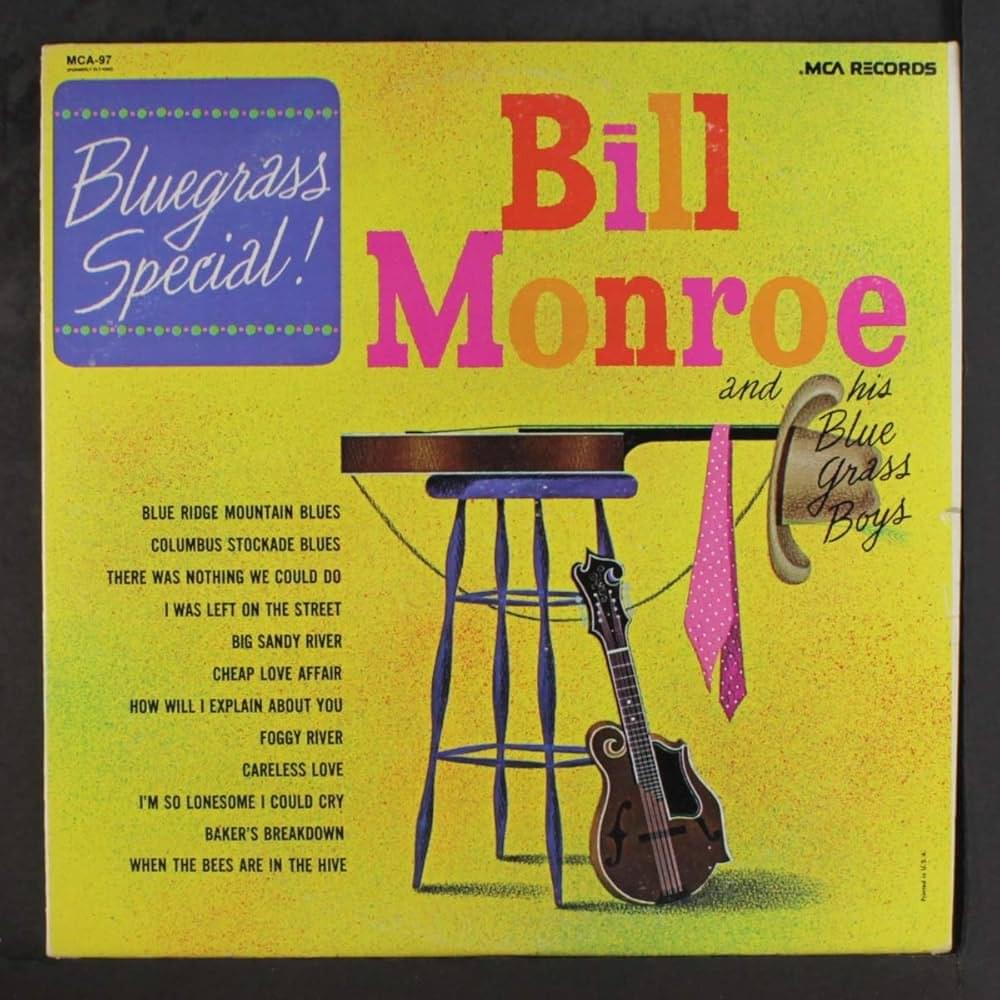
Bill Monroe's "There Was Nothing We Could Do" is a stark meditation on grief, helplessness, and the cold comfort of faith in the face of death. Monroe, a titan of bluegrass, doesn't offer soaring instrumentation or virtuosic riffs here; instead, the song's power lies in its plainspoken acceptance of mortality's inevitability. The lyrics paint a scene of communal mourning around a young woman's deathbed, emphasizing the shared helplessness of those who loved her. The recurring line, "there was nothing we could do," becomes a grim mantra, underscoring the profound human experience of powerlessness against the forces of nature and fate. It's not just a lament; it's an acknowledgement of our limited agency.
The song's emotional core resides in the tension between the community's profound sorrow and their reliance on religious explanations. The image of the dying woman smiling "at the people all gathered a-round" is particularly poignant, suggesting a quiet acceptance of her fate and a desire to offer solace to those she leaves behind. This act of selflessness contrasts sharply with the "mortal pain" etched on the faces of the mourners, highlighting the disparity between individual suffering and the collective attempt to find meaning in loss. The fragrance of flowers rising to heaven becomes a symbolic bridge, connecting earthly grief with the promise of divine transcendence.
Ultimately, the "There Was Nothing We Could Do" song meaning is rooted in the human need to reconcile tragedy with faith. The preacher's words, offering the explanation that "God called her," provide a framework for understanding an otherwise incomprehensible event. While this explanation may not fully alleviate the pain of loss, it offers a sense of order and purpose, suggesting that even in the face of death, there is a divine plan at work. Monroe's song, therefore, becomes a powerful testament to the resilience of the human spirit, finding solace in community and faith when confronted with the unavoidable reality of death.
 View Artist