Song Meaning
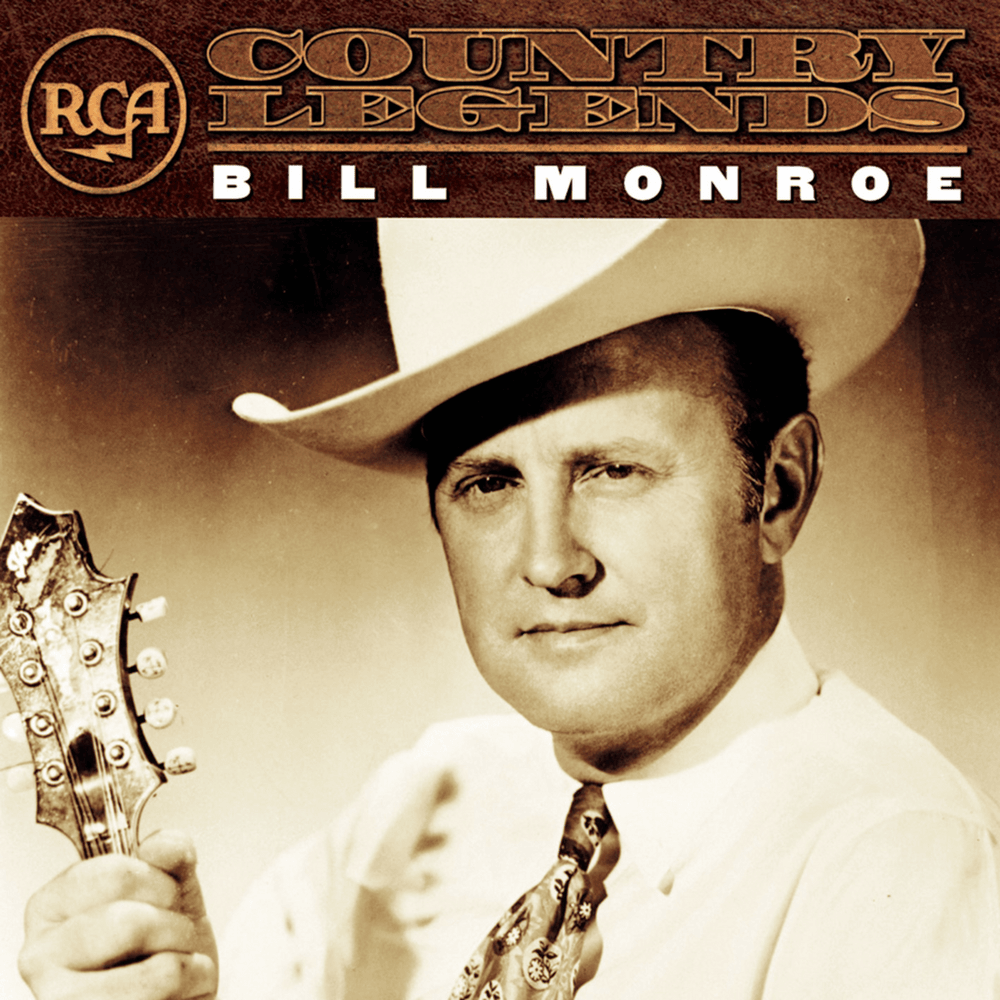
{"song_id": 16305746, "meaning": "Bill Monroe's \"Six White Horses\" isn't just a bluegrass lament; it's a primal scream of abandonment, dressed in the stark imagery of a man cut loose. The opening lines are a declaration of psychic self-preservation: \"I'm leavin' you to worry you off my mind.\" It's not about seeking greener pastures, but about escaping a toxic cycle of anxiety perpetuated by a relationship. The worry isn't just a byproduct; it's the active agent he's trying to exorcise. This is a man not just leaving, but actively purging. The raw, repetitive structure of the lyrics emphasizes the circular, inescapable nature of his torment. He's not just sad; he's trapped. This speaks to a co-dependent dynamic, where leaving is the only way to break free from an emotionally draining connection. \n\nThe core of the song meaning lies in the surreal imagery of \"six white horses going two by two.\" While the specific interpretation is open, it's hard to ignore the funereal connotation. Are they a procession for a dead love? Or perhaps a symbolic representation of the six stages of grief, each pair carrying him further from the source of his pain. The line \"some other woman has took my love from you\" adds a layer of betrayal, but it's not the central wound. The real damage is the constant state of unease, the perpetual \"trouble\" that necessitates such drastic measures. It suggests that the singer's leaving is not simply due to infidelity, but because of the emotional turmoil caused by the relationship itself.\n\nThe latter verses deepen the sense of irrevocable departure. The \"train I'm ridin' is sixteen coaches long\" reinforces the feeling of finality and distance. The sheer size of the train suggests an escape of epic proportions, a severance so complete that return is unthinkable. The almost Biblical threat in \"Next time you see your daddy, it'll be on judgment morn'\" underscores the severity of the break. It's not just a goodbye; it's a pronouncement of doom, hinting at a deep-seated resentment and a desire for ultimate reckoning. The final verse, with its cryptic query about the river's course, symbolizes the speaker's attempt to navigate a new life, guided by instinct (“runs from my back door”) rather than reason, flowing towards a fresh start ("the set of the rising sun"). The song is a bluesy exploration of how a man deals with the pain of betrayal and the need to find his own path forward."}
 View Artist