Song Meaning
Bill Monroe's "Shake My Mother's Hand For Me" isn't just bluegrass gospel; it's a potent distillation of grief, faith, and the enduring power of familial love in the face of mortality. The song's simple structure belies a profound emotional depth, speaking to the listener's longing for connection with those who have passed on. The central request—to deliver a message to the singer's mother in the afterlife—is both heartbreaking and hopeful, a testament to the belief in a reunion beyond the earthly realm. The lyrics paint a vivid picture of heaven as a "golden city" where loved ones await, a comforting image designed to soothe the sting of loss. The repetition of the chorus reinforces the singer's yearning and the importance of this final act of communication. It's a message carried on the wings of faith.
Beneath the surface of religious imagery, the song subtly explores the psychological weight of grief and the human need for closure. The lines "There are times I often wonder/How can all these trials be" hint at a deeper struggle with life's hardships, suggesting that the mother's passing is just one of many burdens the singer carries. The request to "shake my mother's hand" becomes symbolic of a desire for reassurance and comfort, a longing to reconnect with the nurturing figure who provided solace in times of trouble. The act of asking someone else to deliver this message highlights the singer's vulnerability and dependence on community support during times of sorrow.
Ultimately, "Shake My Mother's Hand For Me" transcends its genre to become a universal expression of love and loss. It speaks to the primal human desire to maintain connections with those we've lost, offering a glimmer of hope in the face of death's finality. The song's enduring appeal lies in its ability to tap into our deepest emotions, reminding us of the enduring bonds that tie us to our families and the solace we find in faith during life's most challenging moments. It offers a musical space for mourning and remembrance, solidifying its place as a bluegrass standard and a poignant reflection on the human condition.
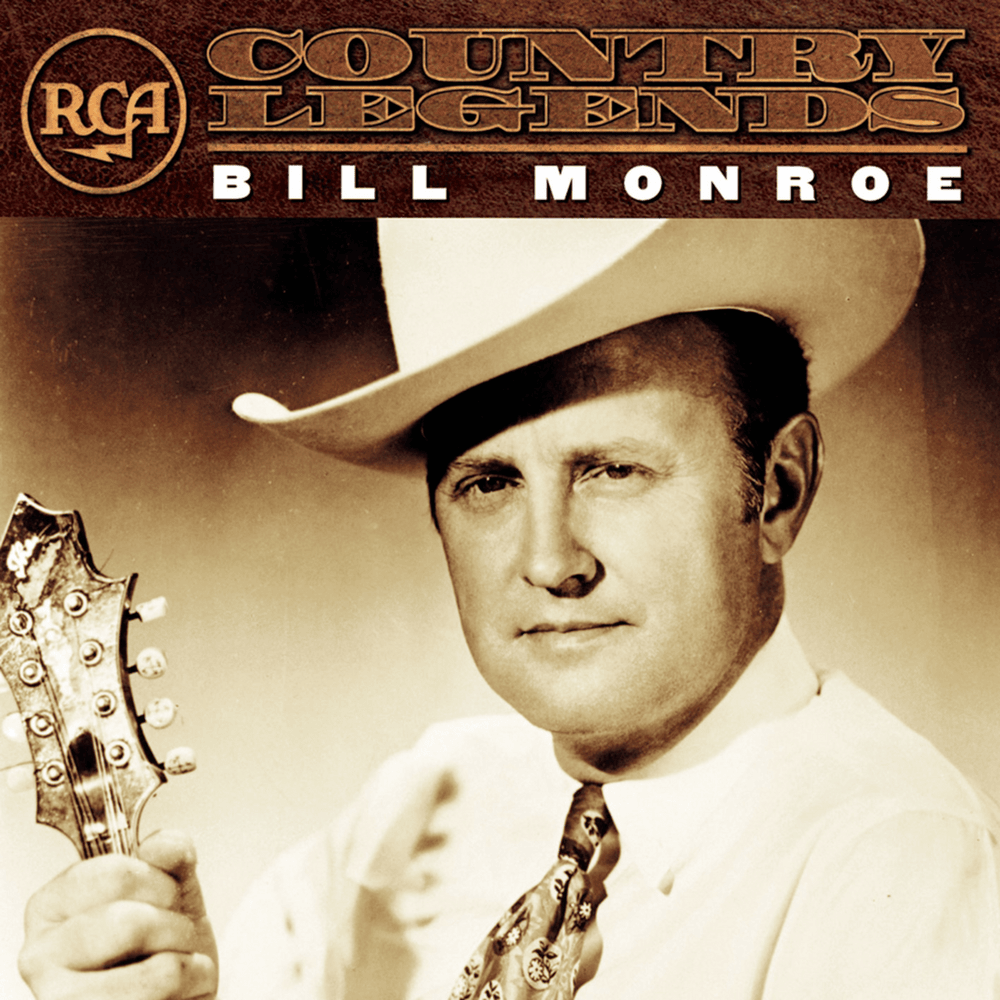
 View Artist