Song Meaning
Bill Monroe's "Prisoner's Song" isn't just a country lament; it's a primal scream of isolation, amplified by the stark reality of incarceration. The opening lines, a simple wish for love and companionship, immediately establish the singer's profound loneliness. This isn't just about romantic longing; it's about the fundamental human need for connection, for belonging, a need that's brutally denied by his imprisonment. The "sad story that's never been told" hints at a past transgression, a weight that further isolates him from the world. The song's genius lies in its ability to evoke empathy without excusing whatever crime landed him behind bars.
The second verse shifts the focus to his impending transfer, heightening the sense of despair. "Leaving my poor darling alone" reveals the collateral damage of his actions, the ripple effect of his imprisonment extending to those he loves. The "cold prison bars" and "pillow of stone" are classic symbols of confinement, but they also represent the emotional chill and hardness that isolation breeds. It's a bleak picture, painted with the raw honesty that defines bluegrass. The lyrics analysis reveals a deep yearning for redemption, but little hope of achieving it.
However, even in the depths of despair, a flicker of hope remains. The verse about the "grand ship on the ocean" is a powerful metaphor for sacrifice. He's willing to sell his most prized possession, his symbol of freedom and wealth, to alleviate his darling's suffering. It’s a testament to the enduring power of love, even in the face of overwhelming adversity. The final verse, with its longing for "the wings of an angel," encapsulates the desire for escape, both literal and metaphorical. He dreams of transcending his earthly prison and finding solace in the arms of his beloved, a reunion so profound that he'd be willing to die there. The song’s meaning ultimately rests on this tension between despair and enduring love, a poignant reminder of the human spirit's resilience even in the darkest of circumstances.
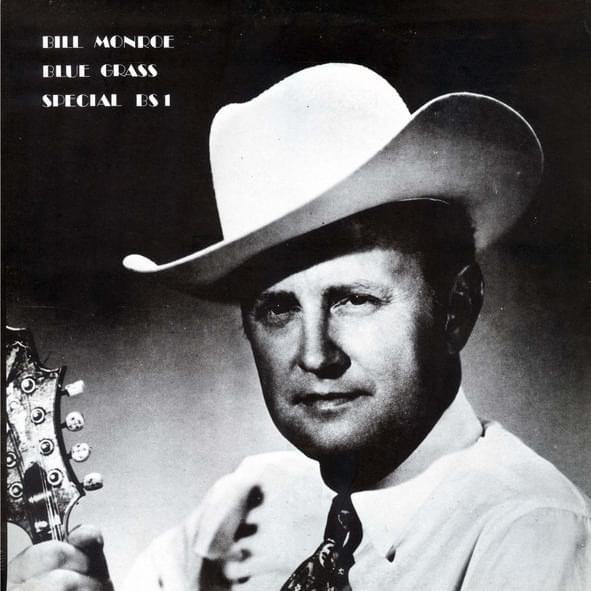
 View Artist