Song Meaning
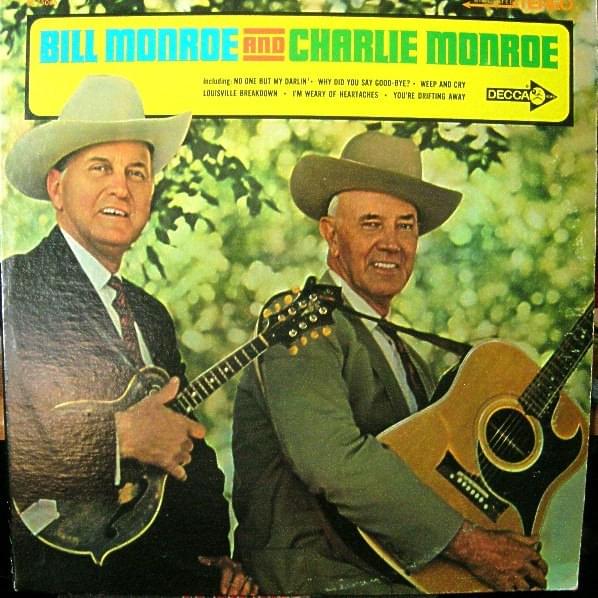
Bill Monroe's "No One But My Darlin'" isn't just a bluegrass lament; it's a masterclass in the psychology of enduring love, even when faced with inevitable separation. The very premise—a vow of eternal devotion despite physical distance—flies in the face of conventional wisdom. Monroe isn't singing about a fleeting crush; he's dissecting the kind of bond that reshapes one's emotional landscape permanently. The lyrics hint at a profound connection, one where the partner's absence serves not to diminish affection, but to amplify it. This speaks to a deeply internalized representation of the loved one, a constant presence within the singer's psyche.
Monroe smartly acknowledges the societal expectation that 'absence makes the heart grow cold.' By directly addressing this common belief, he elevates his love to a higher plane, suggesting its immunity to the corrosive effects of time and distance. This isn't naive optimism; it's a declaration of emotional steadfastness, a refusal to let external circumstances dictate internal feelings. The recurring declaration, 'I'll never love no one else but my darlin',' functions almost as a mantra, a self-affirmation designed to reinforce his commitment in the face of loneliness. The lines 'As we travel down two different lonesome roads' suggests a realistic acceptance of their diverging paths, but an unwavering loyalty to the emotional core of their relationship.
Beneath the surface of heartbroken balladry, "No One But My Darlin'" explores the complex interplay between memory, identity, and attachment. The singer's insistence that 'your love won't let my heart be free' isn't a complaint, but an acknowledgment of love's enduring power to shape our sense of self. The darlin' isn't just a person; she's become an integral part of his identity, a compass point guiding his emotional trajectory. The song becomes less about romantic longing and more about the profound impact one person can have on another, even in separation. The song meaning ultimately rests on the idea that true love transcends physical presence, residing instead in the chambers of the heart, forever influencing how we perceive the world and ourselves.
 View Artist