Song Meaning
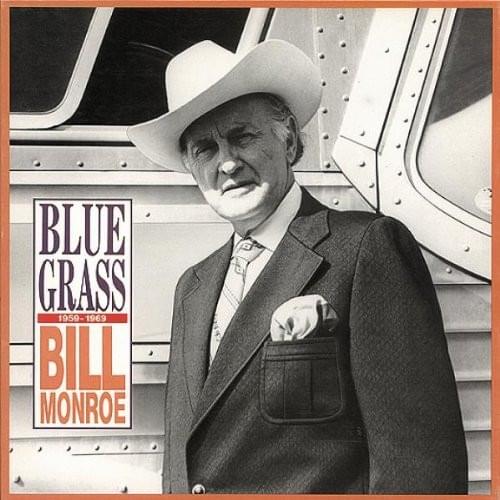
Bill Monroe's "Basic Channels - Fiddle Version" isn't just a bluegrass lament; it's a stark portrait of regret amplified by economic desperation. The recurring line, "my last old dollar is done gone," acts as both a literal statement of poverty and a symbolic representation of depleted resources – not just financial, but also emotional and perhaps even spiritual. It's the sound of rock bottom, echoing through the hollers. The simplicity of the lyrics, bordering on repetitive, underscores the cyclical nature of the narrator's predicament. He writes to his girl, promising to return, yet the vanished dollar renders that promise hollow. This creates a tension between intention and capability, highlighting the crushing weight of circumstance. The fiddle, presumably, serves as the emotional counterpoint, a weeping voice that transcends the limitations of the spoken word.
The repeated admission of drinking and rambling amplifies the sense of self-inflicted wound. This isn't just bad luck; it's the consequence of choices, however limited the options might have seemed at the time. The desire to go home isn't presented as a triumphant return but as a plea for redemption, a yearning for the stability and acceptance that he himself jeopardized. The lyrics don't offer excuses, only the stark reality of a man facing the consequences of his actions. The missed eastbound train is the final nail, a symbol of opportunity lost, leaving the narrator stranded in his self-made predicament.
The genius of the song lies in its economical storytelling. Monroe avoids sentimentality, presenting a brutally honest depiction of a man stripped bare, left only with regret and the faint hope that home will still be there when – or if – he ever manages to return. The "last old dollar" isn't just money; it represents the last vestige of hope, squandered and gone, leaving the listener to ponder the true cost of freedom and the enduring power of longing.
 View Artist