Song Meaning
Bill Monroe's "Memories Of Mother And Dad" isn't just a bluegrass lament; it's a raw, exposed nerve of grief and spiritual yearning. The song, steeped in the traditional imagery of loss, excavates the psychological impact of parental death on the orphaned self. It's a journey into the solitude that remains when the foundational figures of one's life are gone. Monroe doesn't shy away from the stark simplicity of the situation: a home rendered "silent and so sad" by the mother's passing, followed by the father's departure, leaving the narrator utterly alone. This isn't just sadness; it's existential uprooting. The lyrics analysis points to the core theme of abandonment and the search for solace. The song meaning resides in the universality of grief.
The graveyard becomes a focal point, a space where the tangible reality of death confronts the intangible hope of reunion. The inscriptions on the tombstones—"gone but not forgotten" and "we'll meet again someday"—are more than just platitudes; they're desperate attempts to bridge the chasm between earthly loss and the promise of an afterlife. Monroe's narrator doesn't just visit the graves; he almost hallucinates, hearing whispers that urge him to "Trust in God." This isn't necessarily a statement of unwavering faith, but rather a psychological grappling with the need for something larger than himself to lean on in the face of overwhelming despair.
Ultimately, "Memories Of Mother And Dad" finds its resonance in the tension between earthly absence and spiritual hope. The vision of his parents' souls ascending to heaven, dwelling with God and loved ones, offers a glimpse of comfort, a potential antidote to the crushing weight of loneliness. But even within this vision, the pain of separation lingers. The song meaning, therefore, isn't a simple resolution, but a portrait of ongoing negotiation with grief, a testament to the enduring power of memory, and a profound expression of the human need for connection in the face of ultimate loss. It's a stark reminder that even in bluegrass, the high lonesome sound can be a deeply psychological landscape.
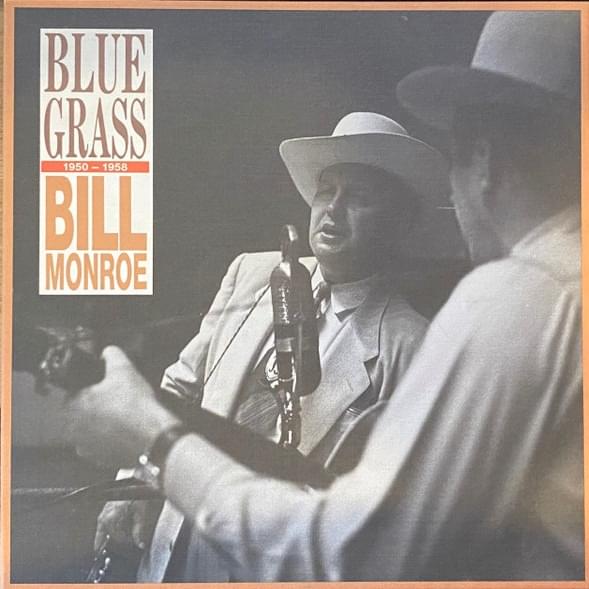
 View Artist