Song Meaning
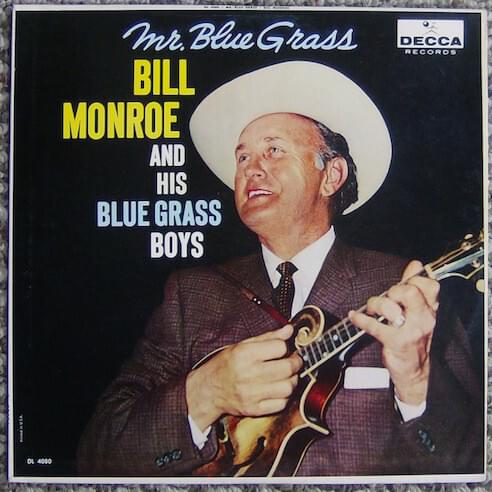
{"song_id": 16305763, "meaning": "Bill Monroe's \"Linda Lou\" isn't just a bluegrass standard; it's a distilled shot of longing, a plaintive cry echoing across the Appalachian landscape. The song's surface is simple: a man pines for a woman he left behind in West Virginia. But beneath that veneer lies a deeper exploration of displacement and the enduring power of memory. Monroe paints Linda Lou as an idealized figure, a \"queen\" of her domain with \"eyes of blue\" and \"golden hair.\" She embodies a lost Eden, a connection to a specific place and time that the narrator can no longer access. The lyrics subtly hint at a separation that goes beyond mere physical distance.
The recurring refrain, \"Linda Lou, Linda Lou can't you hear me calling you,\" transforms the song into a desperate attempt to bridge a widening chasm. The narrator compares himself to a \"lonesome dove,\" a symbol of sorrow and isolation. This imagery underscores the emotional cost of his departure, suggesting that success or opportunity elsewhere has come at the expense of his heart's true home. The mention of potentially crossing \"the ocean blue\" amplifies this sense of irrevocable separation. He is not simply missing a girl; he is missing a fundamental part of himself.
Ultimately, \"Linda Lou\" functions as a miniature psychological portrait of the exiled self. It's a reminder that even as we chase new horizons, the echoes of our past – the people, places, and moments that shaped us – continue to resonate within. The song's enduring appeal lies in its ability to tap into this universal experience of longing, reminding us that sometimes, the greatest distances are not measured in miles, but in the emotional space between who we are and who we once were."}
 View Artist