Song Meaning
Bill Monroe's "Kentucky Waltz" isn't just a simple love song; it's a poignant snapshot of memory and loss, steeped in the romanticism of a bygone era. The titular waltz becomes a symbol, not just of a dance, but of a fleeting moment of perfect happiness forever out of reach. The lyrics paint a picture of idyllic romance under a "beautiful harvest moon," a cliché, perhaps, but one delivered with such sincerity it transcends its familiarity. The narrator's luck, once abundant, has clearly run dry, leaving him haunted by the ghost of that perfect night.
The power of "Kentucky Waltz" lies in its simplicity and the melancholic yearning it evokes. The waltz itself, a dance of close proximity and shared rhythm, amplifies the sense of intimacy and connection now lost. The lyrics analysis reveals a narrator trapped between the vividness of the memory ("I can see your smiling face") and the crushing weight of its absence. He's not simply remembering a dance; he's reliving a moment when everything felt right, a moment now irrevocably gone. The reference to the "beautiful Kentucky waltz" isn't just about location; it's about a feeling, a state of grace that the narrator desperately seeks to recapture.
Ultimately, "Kentucky Waltz" resonates because it taps into a universal human experience: the bittersweet ache of nostalgia and the longing for what can never be again. It's a reminder that even the most beautiful moments are ephemeral, and that sometimes, all we have left are the memories and the music they inspire. The beauty of the song lies in its delicate portrayal of enduring love and irretrievable loss.
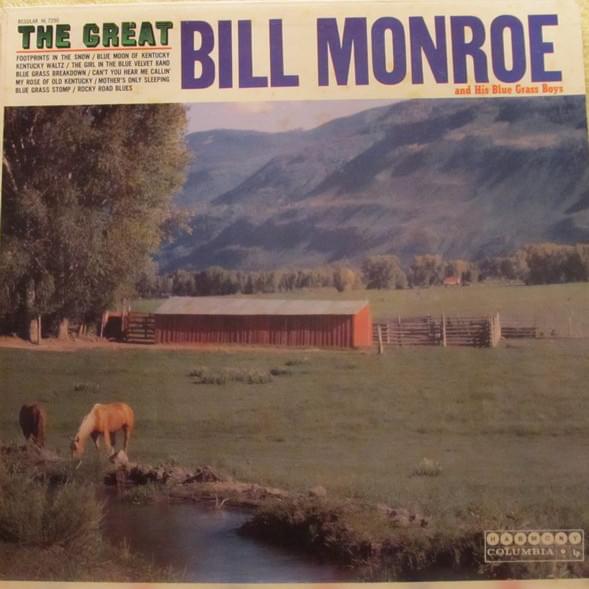
 View Artist