Song Meaning
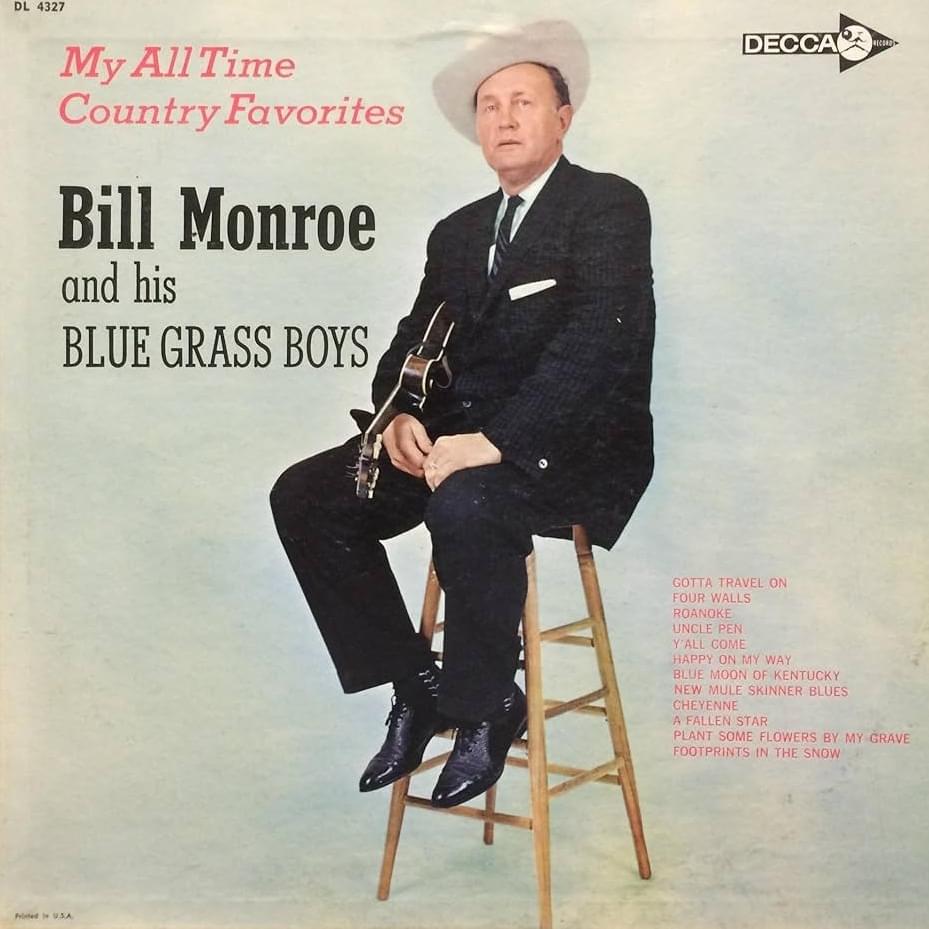
{"song_id": 16305909, "meaning": "Bill Monroe's \"Happy On My Way\" isn't just bluegrass gospel; it's an ecstatic testimony, a full-throated eruption of faith so potent it borders on the evangelical. The song's core is simple: profound joy derived directly from religious conviction. But it’s the *intensity* of that joy, the inability to \"be still,\" that reveals the song's psychological underpinnings. Monroe isn't calmly professing faith; he's compelled to broadcast it, driven by an inner state that demands outward expression. This overwhelming happiness serves as both a personal experience and a form of witnessing, a desire to convert others to his ecstatic state. The repeated declaration of being \"happy, happy on my way\" acts as a mantra, reinforcing the speaker's unwavering belief and serving as a defiant counterpoint to the perceived \"sorrow\" of non-believers.
The lyrics subtly introduce a contrasting perspective, painting \"sinners\" as figures who are not only wrong but actively self-denying. This isn’t presented as judgment, but rather as a form of empathetic bewilderment. The singer genuinely \"can't see why\" anyone would reject the perceived benefits of faith. The song subtly hints at a psychological framework where faith offers not only salvation but also a shield against earthly suffering, a buffer against the anxieties of existence. To \"hide your face from the savior\" is, in this context, an act of profound self-sabotage.
Ultimately, \"Happy On My Way\" functions as a portrait of unwavering belief as a source of profound psychological well-being. The promised reward of eternal life is secondary to the immediate, tangible feeling of joy and purpose derived from faith. The song's meaning transcends simple religious dogma; it delves into the human need for meaning, the power of belief systems to shape emotional experience, and the compelling desire to share one's source of happiness with the world, even if it means gently chiding those who haven't found the same path. Monroe's fervor isn't just religious; it's profoundly, relatably human."}
 View Artist