Song Meaning
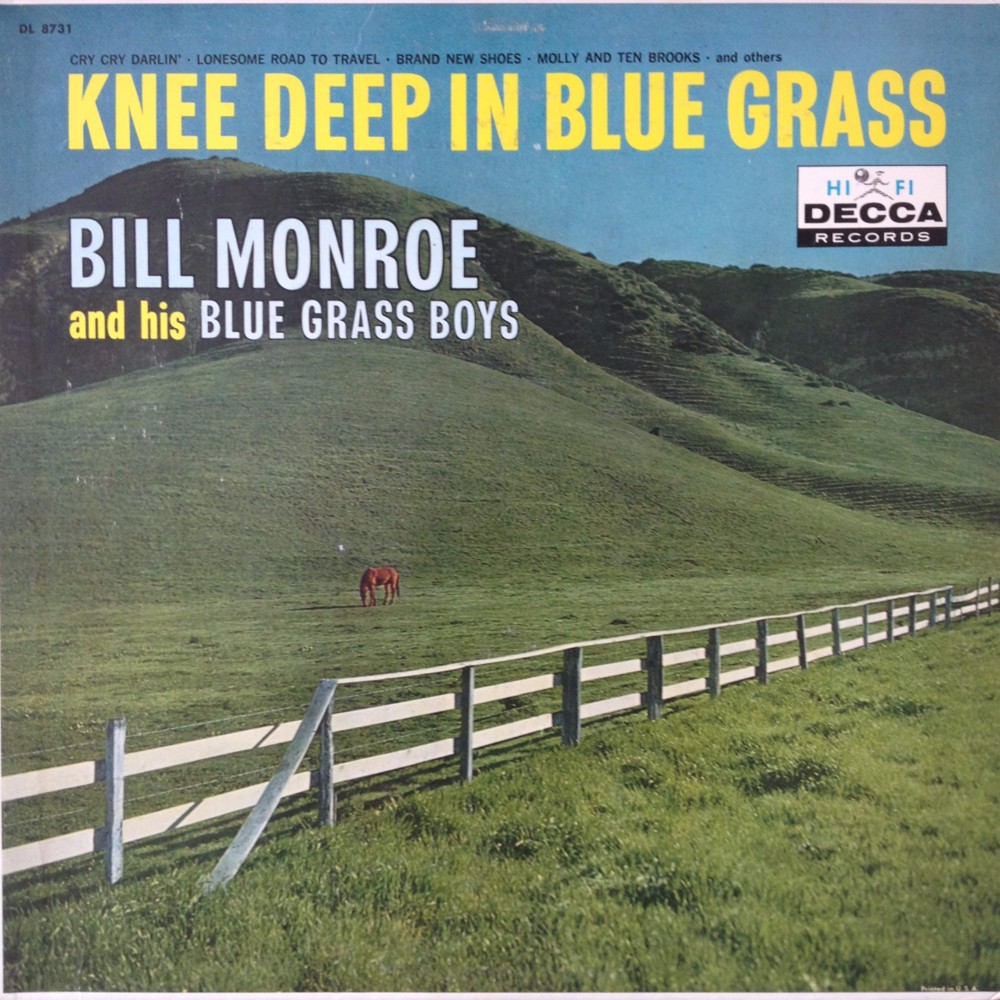
Bill Monroe's "Cry, Cry Darling" isn't just a lament; it's a masterclass in emotional dependency, rendered in the stark language of bluegrass. The relentless repetition of "Cry, cry, darling" underscores a state of almost pre-verbal distress. It's beyond sadness; it's a primal scream of anticipated loss, a fear so profound it eclipses all other potential responses. The "blues" aren't just a feeling; they're a preordained destiny should the beloved depart. Monroe isn't singing about heartbreak; he's singing about preemptive emotional annihilation.
The absence of moonlight, should they part, is more than a romantic cliché. It symbolizes the complete extinguishing of joy, the erasure of beauty from the singer's world. This isn't a mature adult processing complex emotions; it's a child terrified of abandonment, clinging desperately to the source of their happiness. The simplicity of the language belies the intensity of the feeling. There's no room for nuance, no space for resilience. Only the certainty of inconsolable grief.
The image of perpetually weeping eyes, never drying, and the endless weeping as shadows creep in, further emphasizes this sense of utter helplessness. The lyrics reveal a total surrender to the possibility of heartbreak. "Cry, Cry Darling" becomes an anthem of vulnerability, a starkly honest portrayal of how love can sometimes morph into a form of emotional imprisonment. The song meaning, ultimately, resides in the raw nerve of codependency it exposes. It is a vulnerability that, while unsettling, also offers a strangely compelling glimpse into the darker corners of human attachment.
 View Artist