Song Meaning
{"song_id": 16305942, "meaning": "Bill Monroe's \"Close By\" isn't just a bluegrass lament; it's a masterclass in grief, meticulously examining the psychological strategies we employ to cope with loss. The lyrics depict a speaker grappling with the absence of a loved one, initially clinging to the tangible – a photograph pressed against the chest, a desperate attempt to conjure a sense of physical proximity. This visceral reaction speaks to the fundamental human need for connection, a need that death violently severs. Monroe doesn't shy away from the stark reality of mortality; instead, he uses it as a springboard to explore the internal mechanisms of bereavement. The acknowledgment that \"Years have passed you've not returned dear / Now they say that you have died\" marks a shift in the speaker's coping.
The song's genius lies in its portrayal of evolving grief. The speaker transitions from desperately seeking physical closeness to finding solace in the eternal. The line, \"But your soul will live forever / Now I know you'll be close by,\" suggests an acceptance, or perhaps a negotiation, with death. The initial, almost childlike, reliance on the photograph gives way to a more mature, spiritual understanding. The memory itself becomes a source of comfort, a way to keep the loved one \"close by\" even in death. The act of remembering transforms from a painful reminder of loss into a sustaining force.
Finally, the image of a shared grave becomes the ultimate expression of enduring love and the promise of reunion. \"They buried you in a lonely graveyard / And a spot they left beside / There I'll sleep 'till Jesus calls us / So that we can be close by\" is not merely a statement of religious faith; it's a powerful assertion that death is not the end of connection. Monroe subtly suggests that the act of anticipating reunion becomes a form of psychological survival. The speaker finds peace in the belief that separation is temporary, transforming the \"lonely graveyard\" into a place of hopeful waiting. The song's meaning, therefore, resides not only in the experience of loss but in the enduring power of love and memory to transcend mortality."}
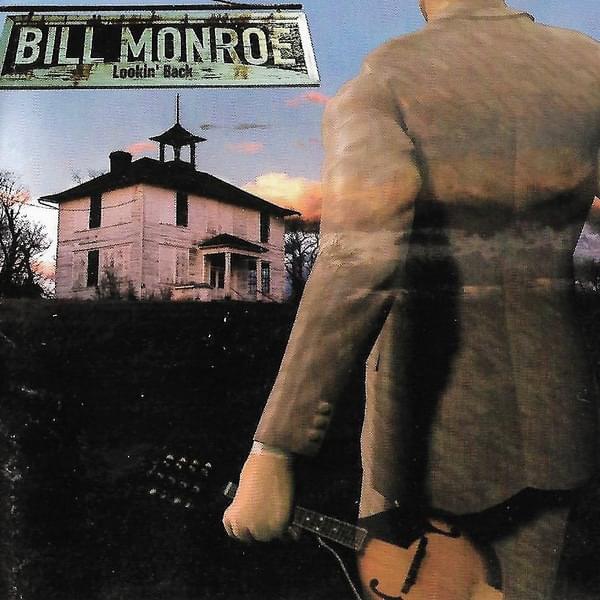
 View Artist