Song Meaning
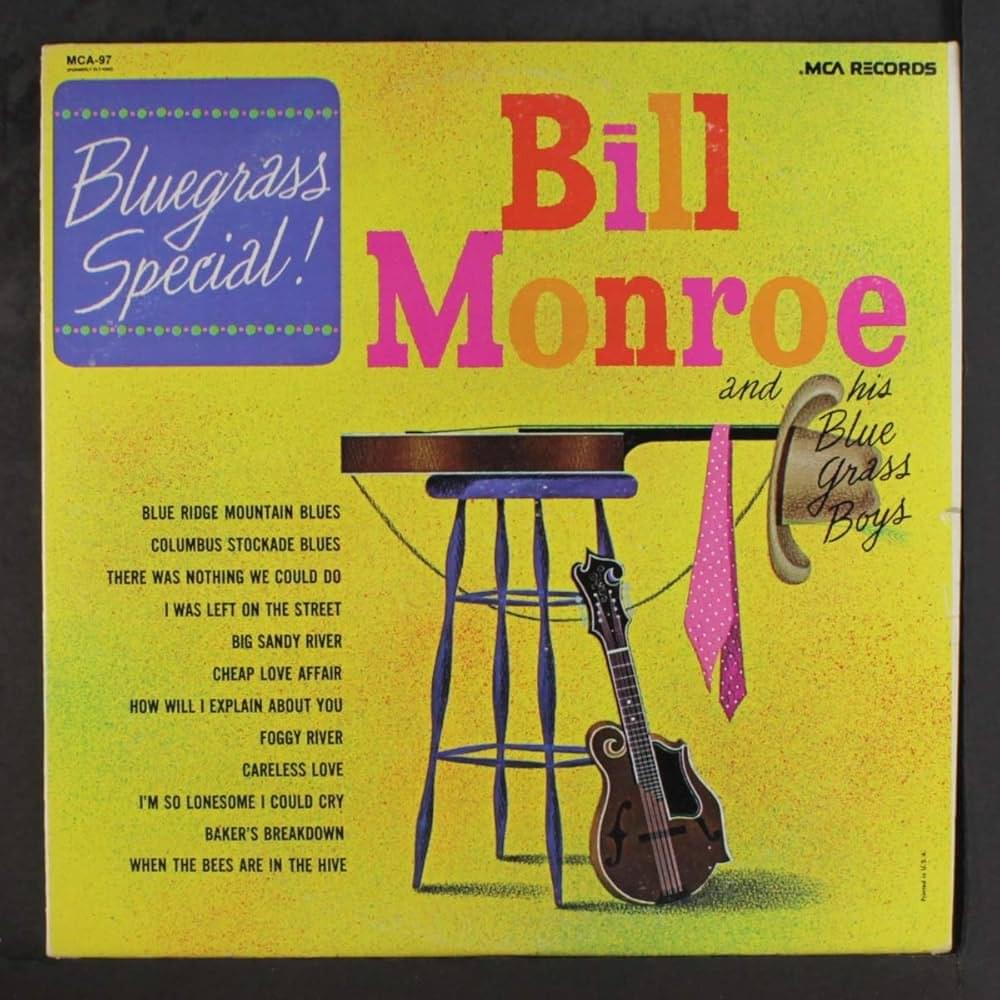
Bill Monroe's plaintive cry of "Love Oh Love Careless Love" echoes a timeless lament: the wreckage left in the wake of unreciprocated affection. Stripped down to its emotional core, the song isn't just a bluegrass standard; it's a miniature morality play about the perils of vulnerability and the societal constraints placed upon women. The repeated invocation of "careless love" acts as both accusation and explanation, a resigned acknowledgment of love's destructive potential when wielded without responsibility. The sparse lyrics paint a picture of a woman ostracized by her community because of her romantic choices. The shift from wearing her "apron low" to "apron high" speaks volumes about her transformation from an accessible, perhaps naive figure to one who is now guarded and hardened by experience. The apron, traditionally a symbol of domesticity and servitude, becomes a visual marker of her shifting social status and emotional availability. Initially, it's an invitation; later, a shield.
The plea, "What oh what will mama say," cuts to the heart of the matter. It's not simply about romantic disappointment but about the shattering of familial expectations and the fear of judgment. This line underscores the patriarchal pressures that often dictate a woman's choices and define her worth. Her parents' love, presumably unconditional, is now jeopardized by her transgression. This breach of social norms carries significant weight, revealing the high stakes involved in defying convention, especially within a tightly knit community. Her repetition of "I love my mama and papa too" isn't just a statement of fact; it's a desperate attempt to maintain connection and seek forgiveness.
Ultimately, "Love Oh Love Careless Love" is a deceptively simple song that resonates because it taps into fundamental human experiences: the sting of rejection, the burden of societal expectations, and the complicated dance between personal desire and familial obligation. Monroe's rendition, with its haunting melody and raw emotionality, elevates the song beyond a mere recounting of misfortune. It becomes a powerful commentary on the precariousness of love and the enduring consequences of "careless" hearts. The lyrics analysis reveals a profound understanding of human psychology, particularly the shame and isolation that can accompany romantic entanglement.
 View Artist