Song Meaning
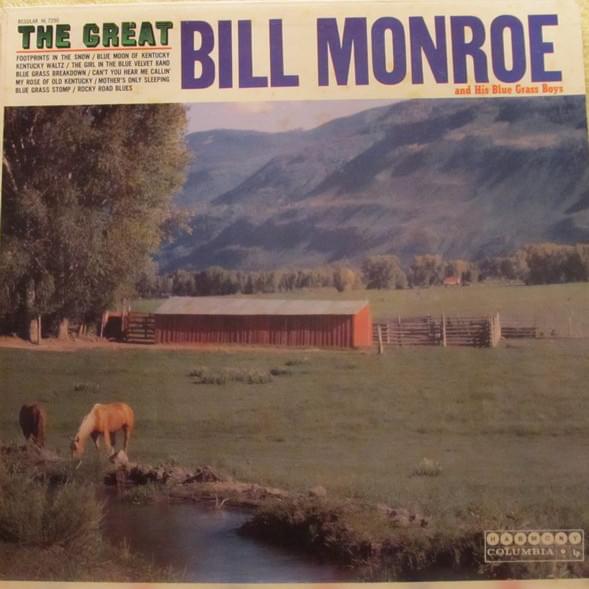
Bill Monroe's "Can't You Hear Me Callin'" isn't just a bluegrass lament; it's a masterclass in distilled regret. The song's power resides in its stark simplicity, a raw emotionality laid bare through Monroe's signature high lonesome sound. Stripped of artifice, the lyrics paint a picture of a man haunted by his own failings, a love lost through some unnamed "big mistake." The repetition of "I worried so" underscores a deep-seated anxiety, a fear of permanent solitude that gnaws at the narrator's soul. It's a primal scream disguised as a polite request.
The core of the song meaning lies in the plea itself: "Sweetheart of mine can't you hear me calling." This isn't a boastful demand for attention, but a vulnerable admission of need. The narrator acknowledges his mistreatment, offering a fragile "I'm sorry" as currency for reconciliation. This vulnerability is further amplified by the imagery of light and darkness. Her return promises "sunshine," while her continued absence foreshadows his "fall." The stakes are not merely emotional; they are existential. The song suggests that his very being is contingent on her presence, that without her, he is destined for ruin.
Ultimately, "Can't You Hear Me Callin'" transcends the typical tropes of heartbreak. It's a study in the psychology of remorse, exploring the desperate lengths to which a person will go to reclaim lost love and, perhaps more importantly, to salvage their own sense of self. The final verse, with its sudden shift to waking and seeing her face, offers a glimmer of hope, but it's a hope tinged with uncertainty. Is it a dream? A memory? Or a genuine possibility of redemption? The ambiguity is precisely what makes the song so enduring, leaving the listener to grapple with the complexities of love, loss, and the enduring power of a heartfelt plea.
 View Artist