Song Meaning
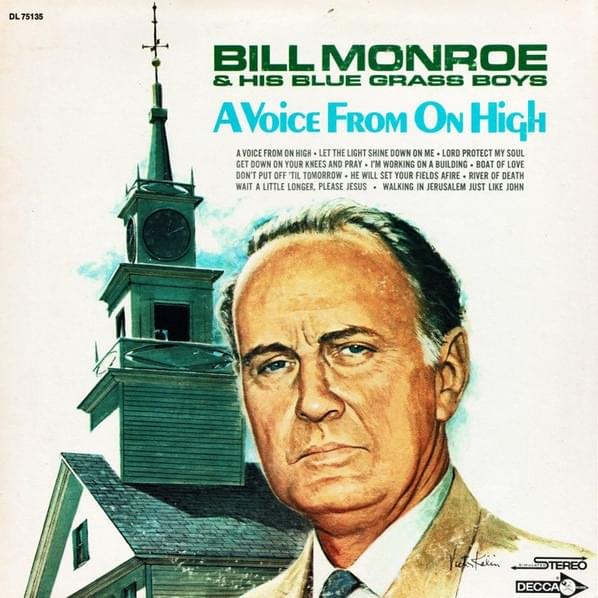
Bill Monroe's "Boat Of Love" isn't just bluegrass gospel; it's a carefully constructed metaphor for salvation, trading hard-scrabble earthly toil for celestial reward. The beckoning "boatman" isn't ferrying passengers across a river, but calling souls toward their ultimate destination. Monroe uses the familiar imagery of maritime travel to ease the anxiety of mortality. It's an invitation, not a forced march, emphasized by the repeated call to make a "reservation" – a gentle nudge toward embracing faith before it's too late. The "Boat Of Love" itself is less a physical vessel and more a symbol of God's grace, an accessible vehicle to navigate "life's rollin' sea."
What separates "Boat Of Love" from typical gospel fare is its subtle understanding of human psychology. The song acknowledges the inherent fear of the unknown – death – and counters it with comforting certainty. Christ as the "captain" offers reassurance, a steady hand guiding believers through turbulent waters. This isn't fire-and-brimstone preaching; it's pastoral care set to a bluegrass tempo. The promised destination, a "golden shore" and eternal home, serves as a powerful incentive, a tangible reward for embracing faith. It's a transaction, perhaps, but one framed in the language of love and acceptance.
Ultimately, the song's genius lies in its simplicity. The lyrical imagery is accessible, avoiding complex theological arguments in favor of direct, emotionally resonant language. The "Boat Of Love" isn't exclusive; it's "waitin' there for you and me," an invitation extended to all. The gentle urgency of the lyrics – "Don't wait too late" – is a call to action, a reminder that the opportunity for salvation is present, but not infinite. Monroe's "Boat Of Love," therefore, transcends mere religious expression; it's a profound meditation on mortality, faith, and the enduring human desire for comfort and belonging.
 View Artist