Song Meaning
Bill Monroe’s "Blue Yodel No. 4" is less a narrative and more a series of vivid, almost surreal impressions of a woman who captivates and frustrates in equal measure. The opening lines immediately establish her physical presence: "She's long she's tall, she six feet from the ground." This isn't just height; it’s an assertion of dominance, reinforced by the claim that she's "tailor made, lord she ain't no hand me down." The singer isn’t just describing a woman; he's acknowledging her exceptional, perhaps unattainable, quality. The yodeling refrain, nonsensical as it may seem, functions as an emotional release, a vocalized sigh that underscores the speaker's infatuation and bewilderment. It’s the sound of someone trying to process an overwhelming sensory experience.
The lyrics then move into a series of striking, almost hyperbolic, comparisons: "eyes like diamonds," "teeth shine just the same," "sweet ruby lips, and a hair like a horse's mane." These aren’t straightforward compliments; they're almost grotesque in their intensity. The "horse's mane" line, in particular, hints at a wildness, a primal energy that both attracts and unsettles the singer. This tension is further amplified by the subsequent verses, which reveal a more complicated dynamic. The woman is perpetually "on the street," hanging out on the corner "like a police on his beat." This image suggests a lack of domesticity, a refusal to be confined or possessed. It speaks to a potential rootlessness, or even a profession outside the bounds of polite society.
Ultimately, the "Blue Yodel No. 4" lyrics analysis reveals a portrait of a woman who defies easy categorization. She's both desirable and elusive, beautiful and potentially dangerous. The final verse, with its declaration that "Every time I need you mama, lord I always find you're gone," underscores the singer's vulnerability and dependence. The threat to "put your air brakes on" is less a statement of control and more a desperate plea for connection. It’s the sound of a man grappling with his own desire, his own limitations, and the undeniable power of the woman who holds him in her thrall. The song's meaning, therefore, resides not in a coherent story but in the raw, unresolved emotions it evokes.
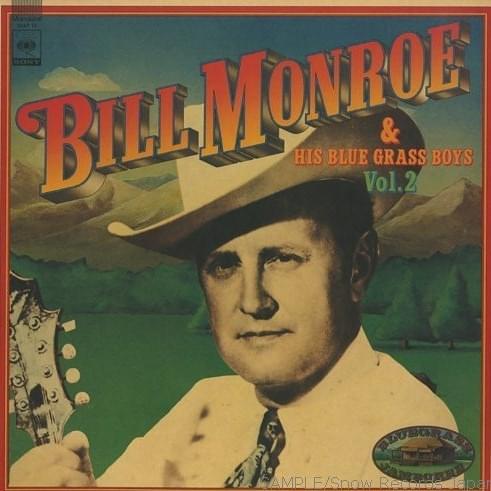
 View Artist