Song Meaning
The lyrics paint a picture of young men, referred to as "chłopcy" and "młodzieńcy," who are on "służbę" (service). There's an initial presentation of them as eager and helpful, always ready to assist and never complaining about their duty. They are described as "uśmiechnięci" (smiling) and looking like "niebiescy święci" (blue saints), suggesting an almost angelic or pure appearance. The repetitive "Jadą, jadą" (They ride, they ride) and "Pa pa pa" creates a driving, almost hypnotic rhythm, emphasizing their movement and perhaps a sense of inevitability.
The dominant tension arises from the contrast between this seemingly benevolent facade and the underlying implication of their actions. While they "z pomocą pospieszą" (hasten to help), they also "pałką wymachują" (swing a baton) and "się z tego cieszą" (rejoice in it). This juxtaposition hints at a more forceful or perhaps even aggressive aspect to their service, which is then underscored by the line "nie uciekajcie ludzie, po cóż ta fatyga" (don't run away people, why this trouble/effort), suggesting that people might have reason to flee. The cheerful demeanor seems to mask a more intimidating reality.
The most striking element is the direct address and ironic twist in the final stanza. The narrator anticipates the listener's question, "Czemu, a to czemu, pewnie się spytacie" (Why, oh why, you will surely ask), and then delivers the punchline: "Ano, panie, bo z tą służbą nigdy nie wygracie" (Well sir, because with this service you will never win). This shifts the perspective from the seemingly happy servants to the people they serve, implying that resistance or opposition to this particular kind of service is futile. The cheerful saints with batons are presented as an unstoppable force.
This lyrical construction is effective because it lulls the listener with a deceptively simple, almost folksy tune and imagery, only to pull the rug out with a darkly ironic conclusion. The cheerful "Pa pa pa" refrain, initially sounding innocent, takes on a more sinister or resigned tone when paired with the idea of inevitable defeat for those on the receiving end of this "service." The lyrics create a unsettling feeling by showing how outward appearances of helpfulness and joy can mask an unyielding, perhaps oppressive, authority.
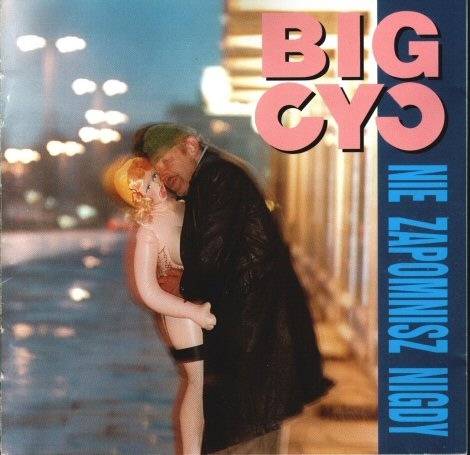
 View Artist