Song Meaning
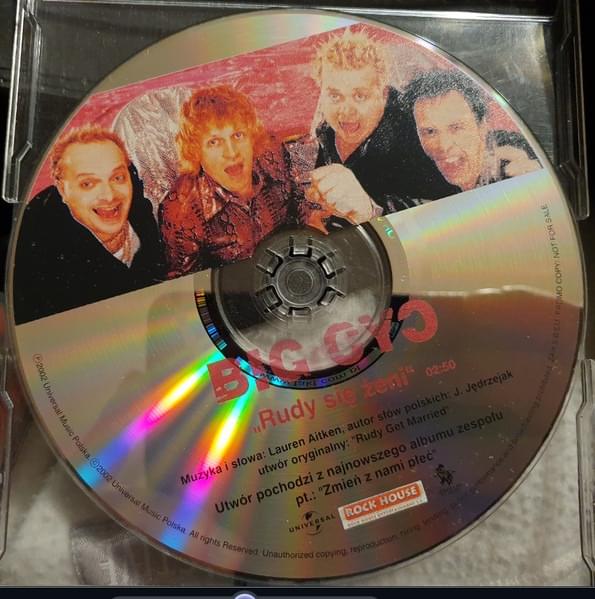
The lyrics for "Rudy się żeni" deliver a darkly humorous, skeptical take on a friend's impending marriage. The narrator is clearly shocked by the news, immediately questioning who would even want to marry Rudy, a character described as rough and unrefined. There's a palpable sense of disbelief and a touch of mournful resignation from the friend group.
The central tension revolves around the perceived transformation Rudy is about to undergo. The repeated phrase "ona to zmieni" (she will change it/him) highlights the narrator's cynical expectation that Rudy's wild ways—his cursing, snoring, beer-drinking, punk-listening, and fighting—will be tamed. This isn't presented as a positive evolution but rather as a forced conformity.
The lyrics employ vivid, almost brutal animal metaphors to underscore this expected change. Rudy, initially a "dziki lew" (wild lion), is anticipated to become a "potulną owcę" (docile sheep) "w kagańcu" (in a muzzle). Later, a "dziki tygrys" (wild tiger) in a "tresera rękach" (trainer's hands) is depicted as "smutny jak pies" (sad like a dog). These images powerfully convey the narrator's view of marriage as a taming, even emasculating, force that strips away an individual's core identity.
Ultimately, the song captures the bittersweet humor and underlying sense of loss often felt when a friend enters a new phase of life. The line "Straciliśmy przyjaciela" (We lost a friend) is direct and poignant, mourning the end of "wspólnych balang" (shared parties) and "wypadów na mecz" (trips to the match). The final, ironic twist, "Tylko kumple z nim zostaną Na dobre i złe" (Only friends will stay with him for better or worse), cleverly reappropriates wedding vows, suggesting that the friends' loyalty is the true constant, even as Rudy's life irrevocably changes.
 View Artist