Song Meaning
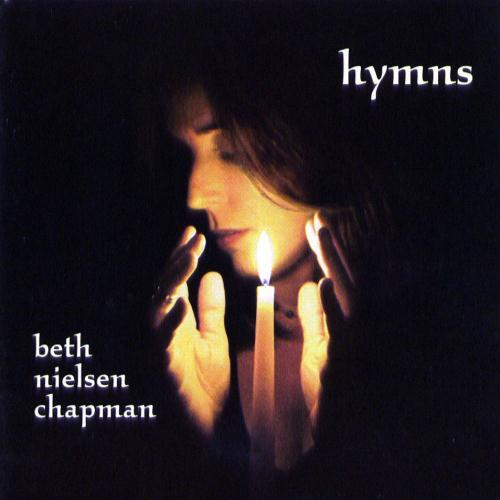
Beth Nielsen Chapman's rendition of "Tantum Ergo" isn't just a song; it's an immersion into the sacred. The lyrics, steeped in Latin, immediately signal a departure from the secular, pulling the listener into a realm of ancient reverence and profound spiritual contemplation. For those unfamiliar with the traditional Catholic hymn, a surface-level reading might feel impenetrable. However, the core of the song meaning revolves around the awe and veneration of the Eucharist, the sacrament central to Catholic belief. The lyrics speak of a new rite superseding the old, faith filling the gaps where the senses fail, suggesting a reliance on spiritual understanding that transcends the physical world. Chapman's delivery adds layers of emotional depth, transforming what could be a purely liturgical exercise into a deeply personal expression of faith. The song, therefore, becomes an invitation to explore the space where belief and human vulnerability intersect.
The recurring themes of praise and benediction, directed towards the "Genitori, Genitoque" (the Father and the Son), establish a clear hierarchy of devotion. Yet, within this structure, Chapman finds room for nuanced emotional texture. It's not simply about rote repetition of dogma; it's about the individual's experience within that framework. The lyrics themselves, though centuries old, touch on timeless aspects of the human condition: the search for meaning, the acceptance of mystery, and the yearning for connection with something larger than oneself. The choice to sing in Latin creates both distance and intimacy. The distance reminds us of the historical weight and the formalized nature of religious ritual, while the intimacy arises from the vulnerability of engaging with a language not readily understood, forcing a deeper reliance on feeling and intuition.
Ultimately, Beth Nielsen Chapman's "Tantum Ergo" functions as a sonic portal. It transports the listener to a space where faith isn't a passive inheritance but an active, evolving engagement. The song meaning transcends the specific religious context, inviting introspection on the nature of belief itself. How do we reconcile the tangible and the intangible? Where do we find solace in the face of the unknown? The hymn, through Chapman's interpretation, becomes a meditation on these fundamental questions, offering a moment of quiet contemplation amidst the noise of modern existence. It's a reminder that even within the most structured traditions, there exists room for personal exploration and profound emotional resonance.
 View Artist