Song Meaning
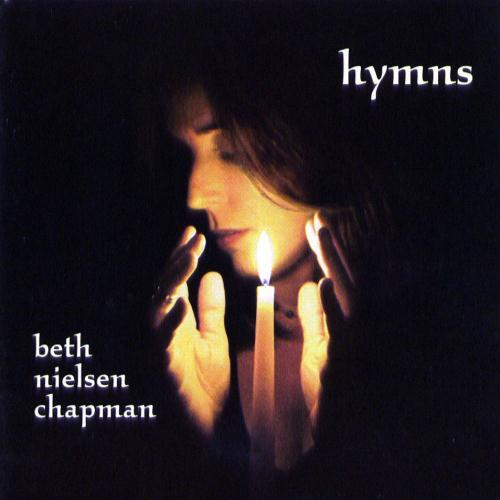
Beth Nielsen Chapman's rendition of "O Salutaris Hostia" isn't merely a song; it's a sonic invocation, a plea echoing through the chambers of faith and doubt. The Latin text, a fragment of a larger hymn traditionally sung during Benediction, speaks directly to the Eucharistic Host, imploring it to open the gates of heaven. But beyond the surface-level religious interpretation lies a deeper yearning for solace and strength in the face of earthly struggles. The lyrics, "Bella premunt hostilia / Da robur, fer auxilium" (Hostile wars press upon us / Give strength, bring help), resonate with anyone who has faced overwhelming odds, regardless of their spiritual beliefs. It's a universal cry for resilience against the forces that seek to diminish us.
Chapman's interpretation, presumably reverent, invites contemplation on themes of vulnerability and the search for higher power. The 'hostile wars' referenced are not just literal battles, but also the internal conflicts, the anxieties and the personal demons that wage war within the individual psyche. In this context, the plea for 'robur' (strength) becomes profoundly personal. It's a desire to fortify the spirit, to find the inner resources needed to navigate life's inevitable hardships. The supplication for 'auxilium' (help) acknowledges our inherent limitations and the need for connection, whether to a divine entity, to community, or to some form of transcendent support.
The final verses, a doxology to the "Uni trinoque Domino" (One and Triune Lord), shift the focus towards eternal glory and the promise of unending life. This isn't just about religious dogma; it’s about the fundamental human desire for meaning and permanence. The song offers a glimpse of hope, a vision of a 'patria' (homeland) where life transcends its earthly confines. In essence, Chapman's "O Salutaris Hostia" becomes an exploration of faith, resilience, and the enduring human quest for a sanctuary from the storms of life. It transforms the ancient hymn into a deeply personal and universally relatable expression of hope and supplication.
 View Artist