Song Meaning
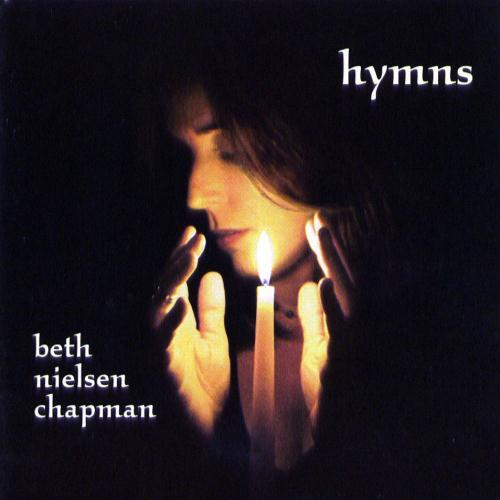
Beth Nielsen Chapman's rendition of "Panis Angelicus" transcends the typical religious hymn, becoming a profound meditation on faith, humility, and the search for divine connection. The Latin text, traditionally attributed to St. Thomas Aquinas, speaks of the "Bread of Angels" becoming the bread of humankind, a celestial offering that surpasses earthly limitations. Chapman's interpretation, while reverent, subtly shifts the focus inward, inviting listeners to contemplate the personal significance of this spiritual nourishment. It's not merely about religious dogma but about the transformative power of belief itself. The line, 'O res mirabilis! Manducat Dominum pauper, servus et humilis' ('Oh wondrous thing! The poor, the servant, and the humble eat the Lord'), highlights the universality of grace, suggesting that spiritual fulfillment is accessible to all, regardless of social standing or perceived worthiness. This resonates deeply in a world often defined by hierarchies and exclusion. Chapman's delivery underscores this message, conveying a sense of quiet awe and intimate understanding. The arrangement is simple, yet emotionally resonant, allowing the inherent power of the lyrics to shine through. The latter part of the hymn, a plea to the Trinity, moves beyond simple supplication. It’s a yearning for guidance, for illumination on life's path. 'Duc nos quo tendimus' ('Lead us where we are going') speaks to the human desire for purpose and direction, a sentiment that transcends religious boundaries. The invocation to be led 'Ad lucem quam inhabitas' ('To the light which you inhabit') is a powerful metaphor for enlightenment, for achieving a state of spiritual clarity and understanding. Ultimately, Chapman's "Panis Angelicus" becomes a deeply personal and universally relatable exploration of faith, humility, and the human quest for meaning.
 View Artist