Song Meaning
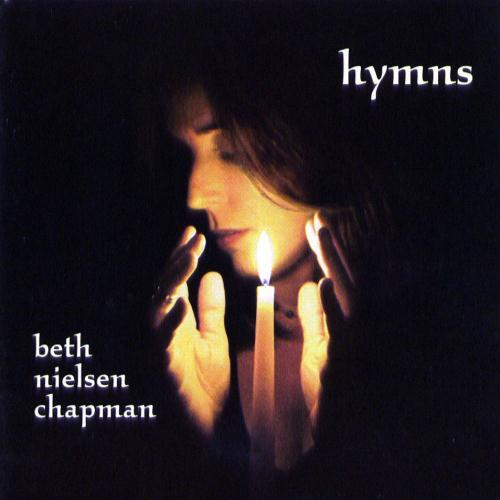
Beth Nielsen Chapman's rendition of "O Sanctissima" is less a straightforward hymn and more a haunting meditation on faith, vulnerability, and the enduring human need for solace. Sung entirely in Latin, the lyrics, at face value, are a direct appeal to the Virgin Mary, a plea for her intercession and protection. However, Chapman's interpretation, stripped bare of bombast and delivered with a delicate, almost fragile vocal, unlocks deeper layers of meaning. The repeated invocation, "Ora, ora pro nobis" ("Pray, pray for us"), transcends simple religious supplication; it becomes a universal cry for help in the face of suffering.
The lyrics paint Mary as both pure ("Tota pulchraes, O Maria / Et macula non est in te" – "You are all beautiful, O Mary, and there is no stain in you") and a refuge ("Tu solatium et refugium" – "You are solace and refuge"). This duality speaks to the human condition – the simultaneous yearning for an ideal of perfection and the desperate need for comfort in imperfection. The image of Mary as a lily among thorns ("Sicut lilium inter spinas / Sic Maria inter filias") further emphasizes this contrast, suggesting a beacon of hope and purity amidst a world of hardship and pain. Chapman's arrangement amplifies this sense of yearning, creating an atmosphere of quiet contemplation and profound emotional resonance.
Ultimately, the song’s power lies in its ability to tap into the core of human vulnerability. The plea for Mary's intercession "in miseria in angustia" ("in misery, in anguish") and "in mortis hora" ("at the hour of death") highlights the universal fear of suffering and mortality. While explicitly religious, the underlying sentiment resonates far beyond the confines of faith. It is a testament to the enduring human need for connection, for hope, and for a sense of peace in the face of life's inevitable challenges. Beth Nielsen Chapman doesn't just sing "O Sanctissima"; she embodies the very essence of its plea.
 View Artist