Song Meaning
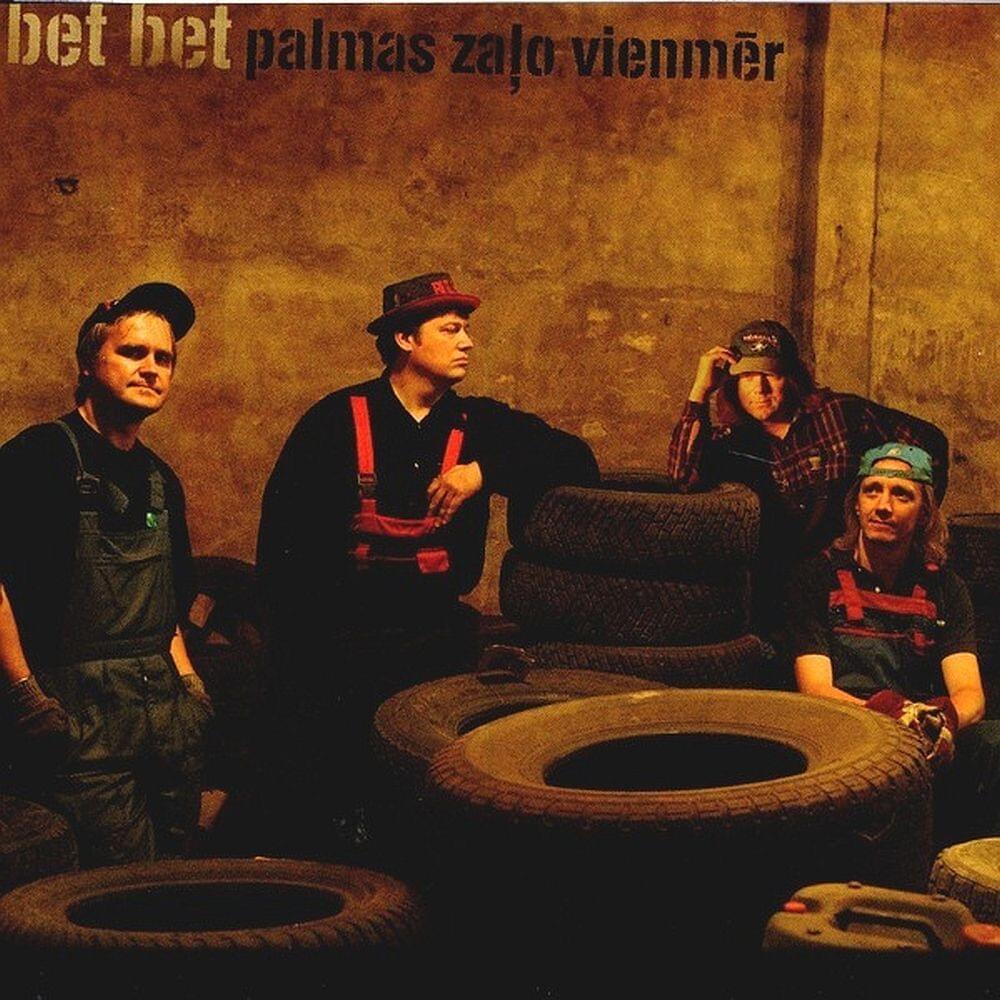
The lyrics paint a picture of a mundane Tuesday morning, just before nine, where a bus closes its doors at a slight angle outside the window. This scene is presented as both simple and strangely unusual, suggesting a feeling of temporal disorientation where today feels like yesterday and vice versa. The repetition of "Palmas zaļo vienmēr" (Palms are always green) acts as a constant, almost hypnotic refrain against this backdrop of everyday monotony.
The central tension seems to lie in the narrator's perception of time and existence. The line "Jo laika rādītājs ir nomaldījies jau" (Because the time indicator has already gotten lost) directly states this confusion. Despite this, there's a surprising affirmation: if asked if life was worth living, the narrator would answer "ui, te dzīvot bija vērts" (oh, it was worth living here). This suggests an acceptance or even appreciation of life's repetitive, slightly off-kilter nature.
The most striking craft element is the juxtaposition of the ordinary (a bus, a neighbor's dog barking) with the extraordinary feeling of time being "lost" and life repeating "in reverse." The phrase "Tāds 'deja vu', ka nu, ir atkal piedzīvots" (Such 'deja vu', that now, it has been experienced again) captures this uncanny feeling. The constant return to the image of the always-green palms, a symbol of unchanging nature or perhaps a distant, idealized state, grounds the narrator's subjective experience.
This lyrical construction is effective because it taps into a universal feeling of routine and the subtle strangeness that can emerge from it. The lyrics don't offer grand pronouncements but instead find profoundness in the small, recurring details of daily life, suggesting that even in repetition and disorientation, there's a quiet affirmation of existence. It's the way the mundane, when viewed through a slightly skewed lens, can feel both deeply familiar and strangely profound.
 View Artist