Song Meaning
The lyrics open with a powerful, almost obsessive litany of affirmations: "Es zinu - tuvākas man nevienas nav" (I know - no one is closer to me), followed by variations on "better," "more beautiful," and "more." This insistent repetition establishes a speaker who seems utterly convinced of the unparalleled qualities of someone, or perhaps something, they possess. The initial verses build a sense of absolute certainty and deep connection, painting a picture of someone who believes they have found the ultimate.
This foundation of certainty is then dramatically shattered by the stark, repeated declaration: "Es tevi nemīlu, mana mīļā" (I don't love you, my dear). The contrast between the exhaustive praise and the blunt denial creates a profound emotional dissonance. The repeated address, "mana mīļā" (my dear) or "mana mīlotā" (my beloved), juxtaposed with the rejection, suggests a complex, perhaps painful, internal conflict or a deliberate cruelty. The speaker acknowledges the other's perceived value but explicitly rejects the emotional response of love.
The most striking element is the return to the initial affirmations after the confession of non-love. The cycle repeats, reinforcing the speaker's internal contradiction. It seems the speaker is trapped in a loop, unable to reconcile the undeniable presence or qualities of the addressed person with their own emotional truth. The lyrics don't offer a resolution, leaving the listener with the unsettling feeling of this unresolved tension.
This creates a potent emotional impact through its stark simplicity and brutal honesty. The directness of the denial, set against the elaborate preamble of perceived perfection, highlights a deep disconnect. The effectiveness lies in this sharp, almost clinical, presentation of a painful paradox – recognizing someone's supreme qualities while simultaneously denying the presence of love, leaving the listener to ponder the reasons behind such a profound emotional void.
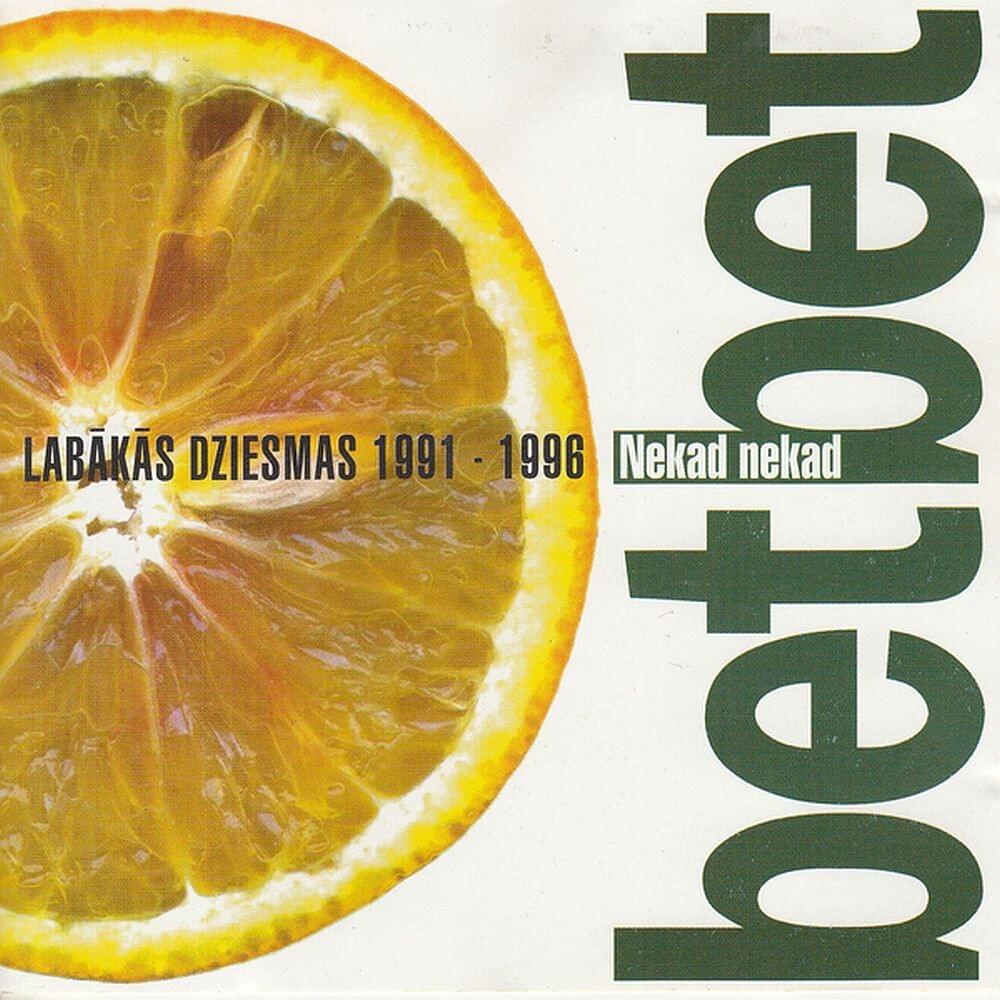
 View Artist